
REVIEW · RUM DISTILLERY TOURS
San Pedro De Macoris: Ron Barcerló Rum Factory Tour
Ron Barceló turns Dominican sugar cane into rum in a working factory, not a polished display built only for tourists. You can see barrel storage, barrel preparation, tank filling, bottling, and packaging, then finish with a tasting and a small rum museum.
I like the clear look at both old and new production methods, and I like the chance to taste several rums rather than merely hear a sales pitch. The main catch is the remote setting: you must arrange your own ride, and a 25-step staircase plus closed-toe shoes make this a poor fit for some visitors.
- See real production areas: The route can include barrel storage, barrel preparation, tank filling, bottling, and packaging.
- Taste three rums: The standard visit includes an Añejo tasting, while the experience may finish with three samples.
- Upgrade inside the cellar: The 90-minute Imperial option includes a private tasting of Barceló Imperial Rum in an aging cellar.
- Visit the first Historic Center: The museum explains rum production and the company’s story through displays and video.
- Plan the ride carefully: The factory is outside the main town, with no useful roadside signs reported by one visitor.
- Expect a physical visit: Bring identification and closed-toe shoes, and avoid sandals, flip-flops, and high heels.
A working rum factory, not just a tasting room
The Ron Barceló visit gives you a look at how sugar cane becomes a finished bottle. That matters because rum can seem simple at the bar, yet the finished drink depends on a long chain of steps: production, barrel work, aging, blending, bottling, and storage.
The visit lasts about one hour on the regular route, or up to 90 minutes for the Imperial option. That is enough time to see several parts of the operation without turning the day into a full industrial tour. I like this length for a stop between other plans in the San Pedro de Macorís area.
Your guide leads you through the factory and explains the work as you go. Tours are offered in English, French, Spanish, German, and Italian. Juan Carlos has led an English-language visit, while Leonardo has guided in French and Luis has helped explain the factory to English-speaking visitors. Guide availability depends on the day, but the range of languages is useful for mixed groups.
The tone is practical. You are not simply given a glass and told that the rum is good. You see where the barrels are kept, how barrels are prepared, and how bottles reach the final packing stage.
Finding the factory near San Pedro de Macorís
The address is Ron Barceló, San Pedro de Macorís 21000, Dominican Republic. The supplied location places the experience in La Altagracia, while the meeting address uses San Pedro de Macorís, so check your map carefully before setting out.
This is one of the most important practical points. Transportation to and from the Centro Histórico Barceló is not included. The factory is in a remote location, and there may be little roadside help once you are on the way. One useful report noted that there were no clear signs pointing to the factory, so use Google Maps and confirm your return ride before beginning the tour.
If you are traveling independently, do not assume a taxi will be waiting outside. Arrange transportation back to San Pedro de Macorís in advance. Staff may help with finding a ride, but it is better to have your return plan ready.
The meeting coordinates are 18.5423793, -69.3855809. Keep the exact pin handy, especially if your driver is unfamiliar with the area. A little planning here can prevent the factory visit from becoming a transportation problem.
More Rum Distillery Tours in the Dominican Republic:
- Full-Day Tour: Concord Waterfall, Chocolate Factory, Rum Distillery, Grand Etang
★ 5.0 · 871 reviews - Topper’s Rhum Distillery Tour in St Maarten
★ 5.0 · 784 reviews - Bundaberg Rum Behind The Scenes Distillery Tour And Museum Experience
★ 5.0 · 724 reviews
Barrel storage shows where the flavor begins
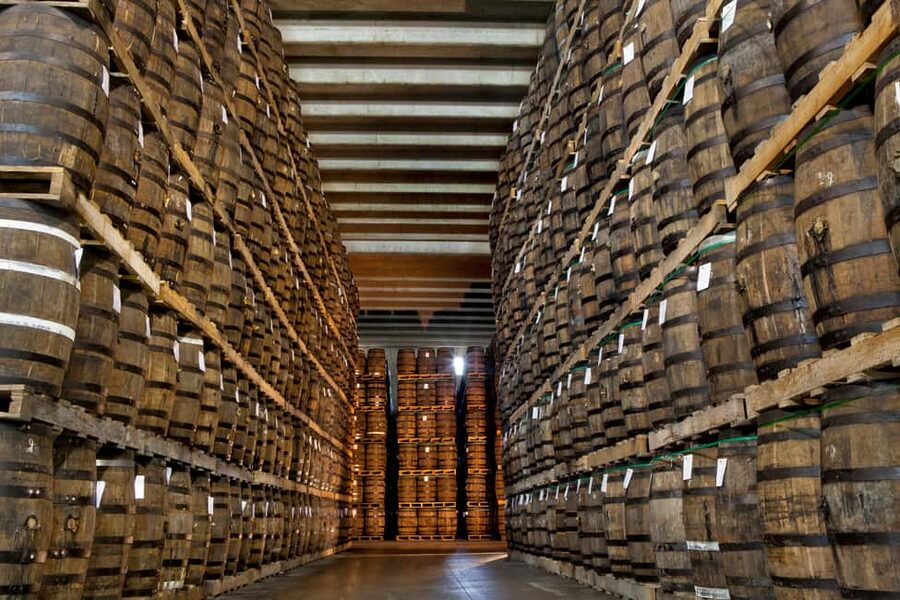
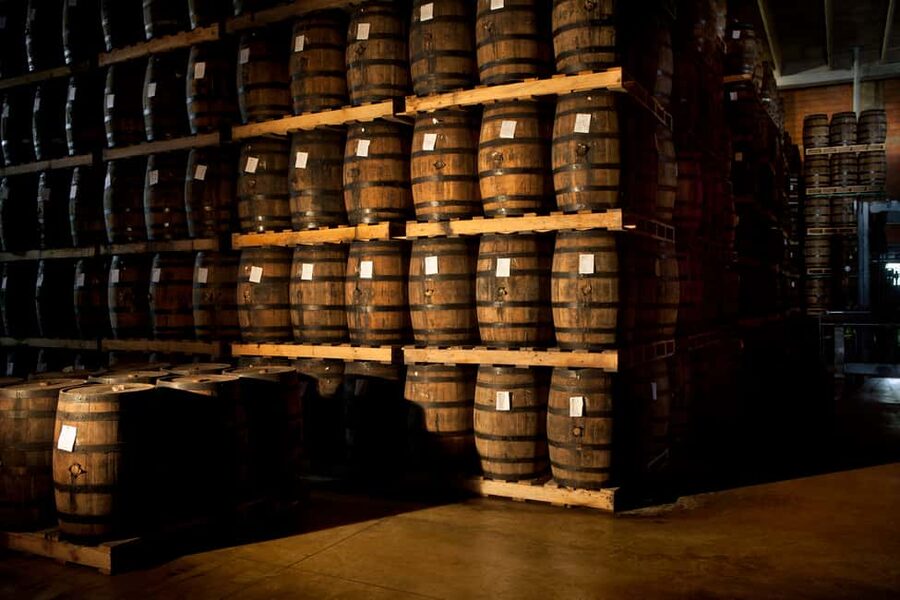
The aging cellar is one of the most atmospheric parts of the route. Rows of barrels show the stage where rum spends time before bottling. You also learn about evaporation, the natural loss of liquid that occurs while the rum ages.
That detail helps explain why aged rum costs more than a basic bottle. Time in a barrel is not just a marketing line. It affects how the spirit develops, and the cellar gives you a physical sense of that long wait.
The standard tour may take you through the aging cellar as part of the production route. If you select the Imperial option, the tasting takes place inside an aging cellar, creating a closer connection between the drink in your glass and the barrels around you.
There is a practical point here. The tour includes a 25-step staircase. The supplied information does not describe an elevator or alternate route, so ask before booking if stairs are difficult for you. Closed-toe shoes are required, and high heels, sandals, and flip-flops are not allowed.
Barrel preparation adds an old-fashioned craft
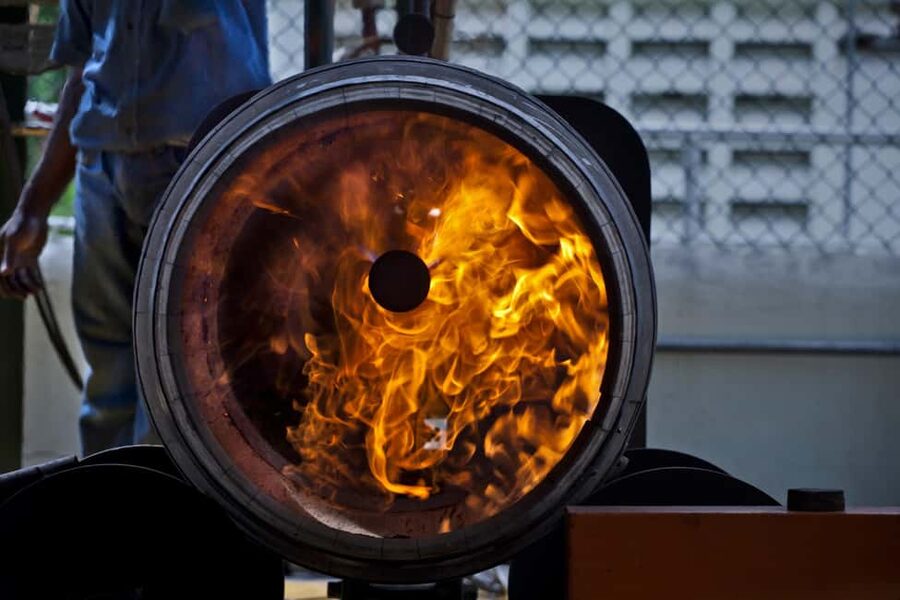
At the barrel workshop, you see how barrels are prepared before they hold rum. The work includes scraping and burning the wood. It is a simple but important stage, since the barrel affects the character of the spirit during aging.
This part gives the tour a useful balance. Modern tanks, filling equipment, and bottling lines show the factory side of production. The barrel workshop connects the process to older methods that still matter to the final product.
I especially like this stop for anyone who enjoys seeing tools and materials rather than only finished goods. You are shown work that can be easy to ignore when buying a bottle from a shop. The rum’s appearance and flavor begin long before the label is attached.
The exact production activity can vary. One January visit found the bottling plant closed because of the time of year, yet the rest of the tour still operated. If seeing a live bottling line is your main reason for coming, keep in mind that factory sections may not always be running.
Filling, bottling, and packaging make the process feel real
The route can continue through tank filling, bottling, and packaging. These areas show the modern side of Ron Barceló, where rum moves from storage and preparation toward the bottle you see in shops and bars.
A working plant will not always look like a show. Machines may be quiet, a line may be closed, or production may be taking place elsewhere. That is part of the trade-off. You get a genuine look at an operating company, but not a guaranteed performance at every station.
When the bottling operation is open, it gives the visit a satisfying sense of completion. You have seen barrels and aging, then watched the final steps that prepare the product for sale. When it is closed, the barrel areas, museum, and tasting still provide the main substance of the visit.
The factory’s eco-friendly identity is also part of the presentation. The company describes itself as focused on premium quality rum and environmentally responsible production. The tour lets you judge that message through the process rather than relying on a slogan alone.
More Rum Tours in the Dominican Republic:
- 101 Oliver Rum Tasting & Pairing And Taino Concept Store
★ 5.0 · 244 reviews - Punta Cana Oliver & Oliver Rum Tasting & Taino Concept Store
★ 4.6 · 146 reviews - Don Lucas Cigar Factory & Store + Premium Rum Tasting (3 hours)
★ 3.5 · 126 reviews - Puerto Plata Private City Tour with Mount Isabel & Rum &Chocolate
★ 4.5 · 123 reviews
The Historic Center explains Ron Barceló’s story
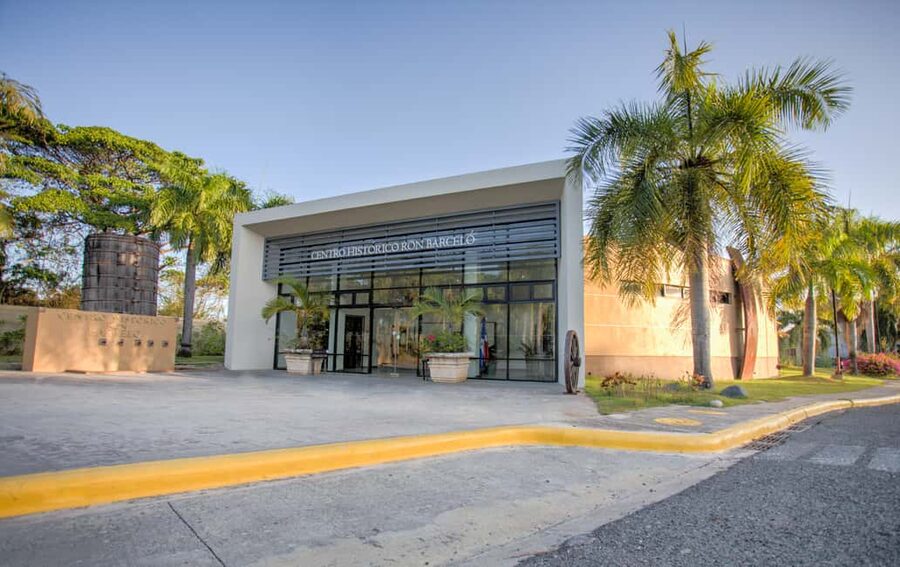
After the production areas, you visit the Centro Histórico Ron Barceló, described as the first Historic Center of its kind in the Dominican Republic. The museum covers the history of rum and the company’s development.
A video adds more background, and this helps put the factory machinery into context. Without that explanation, barrels and tanks can blur together. The museum gives you a clearer sense of how the product developed from sugar cane and distillation into an international rum brand.
The museum is small, so do not expect a large national collection. Its value comes from the way it completes the factory route. You first see the present-day operation, then receive the background that explains why the company works as it does.
The center also includes a visitor area, tasting bar, and souvenir shop. The shop sells Ron Barceló merchandise and rum products. Prices for the rum are reported to be lower than those found elsewhere, making this a sensible place to buy if you already know what you want and can transport it legally.
Tasting Añejo and Imperial rums
The tasting is the reward at the end of the route, but it works best when you treat it as a comparison rather than a quick drink. The included program names Añejo and Imperial tastings, and one completed visit ended with three different rums.
The exact selection can depend on the tour format. The standard route takes you to the tasting bar, while the Imperial option offers a more private experience in the aging cellar. A private guide explains how to appreciate the Imperial rum, which may suit you if you want more detail and a slower finish.
The tasting also gives you a chance to connect production with flavor. You have just seen wood preparation and aging, so you can pay attention to how each rum differs instead of treating the samples as identical pours.
Additional samples may be available for purchase at the tasting bar. Food is not included, and the experience is built around rum rather than a meal. Plan to eat before or after if you need something more substantial.
Drink responsibly, particularly if you are driving. Arrange transportation before the first sample, not after it. This is basic advice, but the remote location makes it especially important here.
Standard visit or 90-minute Imperial option
The standard tour is the better choice if you want a compact factory visit, a look at the museum, and a tasting without committing much of your day. At $20 per person, it offers good value for a guided production visit, especially because entry to the Historic Center and rum tasting are included.
The Imperial option lasts about 90 minutes and adds a premium tasting inside the aging cellar. It makes sense for rum fans, for anyone interested in tasting technique, or for a special occasion where the setting matters as much as the drink.
You should not choose the longer option simply because it sounds more exclusive. If you mainly want to see the factory and buy a bottle, the regular visit may cover your needs. If you want focused guidance and a closer look at the aging environment, the extra time has a clear purpose.
Small groups are available. Group size affects how easily you can hear the guide and ask questions, particularly in a factory where machinery and open work areas can make conversation harder. If you prefer a more personal visit, ask about small-group availability when choosing your time.
What the $20 price really gives you
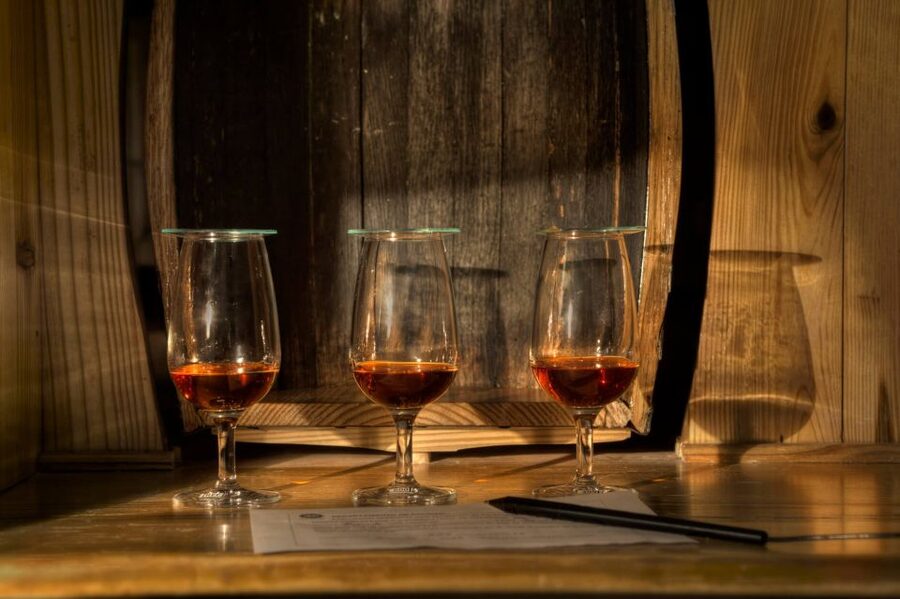
The price is modest for the amount included. You receive a guide, entry to the Historic Center, and an Añejo tasting, with the Imperial tasting included in the stated package information. You also see several production stages that would be difficult to understand from a museum visit alone.
The strongest value comes from the mix of activities. You get industrial access, a historical display, and a tasting in one stop. If you are already in the area, that combination makes the visit worthwhile.
The price does not cover transportation or food. Those costs can change the total, especially if you need a private taxi to the factory and another ride back. For that reason, I would compare the full cost of getting there, not just the admission fee.
The shop may improve the value for rum buyers. Factory prices can be lower than those elsewhere, according to direct advice from someone who bought there. Check your own travel rules for carrying alcohol, and do not purchase more than you can safely transport.
The guides make the visit easier to follow
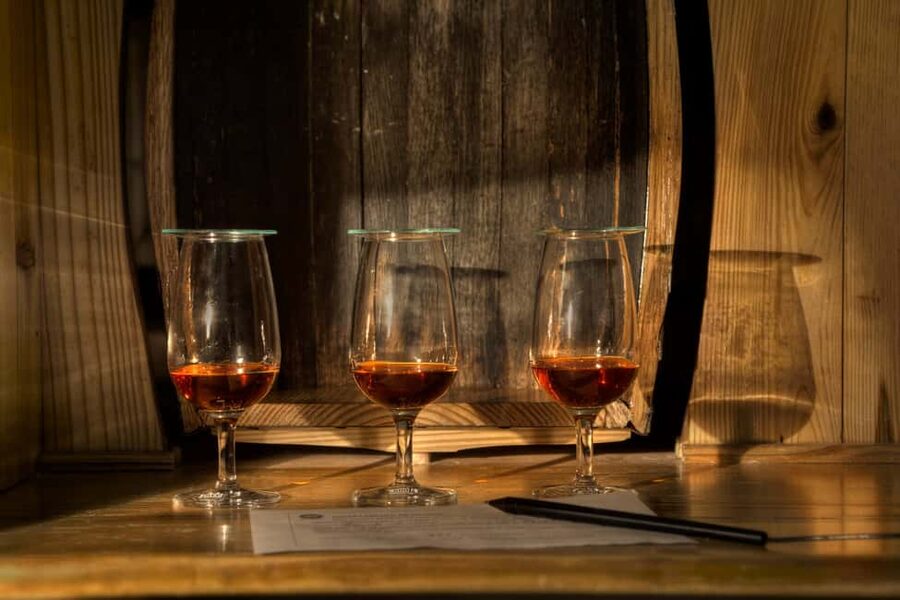
A good factory tour depends heavily on explanation. Juan Carlos has guided in English with humor and detailed company background. Leonardo has led a French-language visit, and Luis has answered questions clearly during an English-language tour.
You can ask about the barrels, the production stages, and the company’s history. The tour is more useful when you speak up, since the machinery and storage spaces may raise questions that are not answered in a fixed speech.
The multilingual setup is one of the visit’s practical strengths. English, French, Spanish, German, and Italian are listed as available languages. Confirm your preferred language when booking, since a language list does not guarantee every language at every starting time.
The museum video adds another layer of explanation. If you prefer learning through objects and demonstrations, the factory sections will likely interest you more. If you want a detailed story of the brand, allow enough time for the museum rather than rushing straight to the tasting.
Who should book this experience?
I would recommend this tour to you if you enjoy seeing how familiar products are made. It suits rum drinkers, people interested in food and drink production, and anyone looking for a focused activity near San Pedro de Macorís.
It also works well for couples and small groups who want a short cultural stop with a tasting. The one-hour format leaves room for other plans, while the Imperial version gives rum enthusiasts more time in the cellar.
Families can attend if the adults are comfortable with an alcohol-focused visit. The factory includes history and machinery, but rum tasting is the main finish. It may not hold the attention of young children for the full duration.
I would think twice if stairs are difficult, if you need step-free access, or if you dislike production sites that may have quiet sections. I would also skip it if arranging a remote taxi feels like too much work for a short stop.
Practical details before you go
Bring your passport or identification card. Closed-toe shoes are required, and high heels, sandals, and flip-flops are not permitted. Weapons and sharp objects are also prohibited.
Allow one to one and a half hours for the visit itself. Check the available starting times before booking, since the schedule can change. Cancellation is free up to 24 hours in advance, and you can reserve now while paying later, which helps if your Dominican Republic plans are still moving.
Do not arrive without a return transportation plan. Save the coordinates, use Google Maps, and tell your driver that the factory is the destination. The lack of clear signs is a small detail that can cause a large delay.
Ask about current production conditions if bottling is especially important to you. The plant may not have every section operating during your visit, particularly around seasonal periods.
Should you book the Ron Barceló factory tour?
Book it if you want more than a rum sample. The strongest part is the full chain from barrel preparation and aging to bottling, followed by a museum visit and tasting. At $20, the standard version is a good buy when you are already near San Pedro de Macorís and can arrange transport easily.
Choose the Imperial option if you care about the tasting itself and like the idea of drinking inside an aging cellar with a private guide. Choose the standard route if you want a useful, compact introduction to Dominican rum.
Skip it if stairs, remote transport, or an alcohol-centered activity do not suit your plans. For everyone else, this is a practical and rewarding factory stop, with enough working detail to make the final glass taste more interesting.
FAQ
Where is the Ron Barceló rum factory tour held?
The meeting point is Ron Barceló, San Pedro de Macorís 21000, Dominican Republic. The listed coordinates are 18.5423793, -69.3855809.
How long does the tour take?
The regular visit takes about one hour. The Imperial option lasts about 90 minutes.
What languages are available?
Guided visits are available in English, French, Spanish, German, and Italian. Language availability may depend on the selected time.
Is transportation included?
No. Transportation to and from Centro Histórico Barceló is not included, so you must arrange your own ride.
What should I wear and bring?
Bring a passport or ID card and wear closed-toe shoes. High heels, sandals, and flip-flops are not allowed.
Is there a staircase?
Yes. You must climb a 25-step staircase during the visit.
New on the rum trail in the Dominican Republic
- Discover Dominican Treasures: Rum, Cigars, Coffee & Chocolate★ 3.0 · 5 reviews
- Guided Shopping Tour – Rum tasting, chocolate factory, Cigar factory★ 4.5 · 6 reviews
- Puerto Plata: City Tour with Rum, Chocolate and Cigars★ 5.0 · 2 reviews
- Sabor Dominicano: Rum, Chocolate and Culture Private Tour★ 5.0 · 2 reviews
- Aurora Cigar & Rum Sensory Tasting and Pairing in Punta Cana★ 4.0 · 2 reviews
- Rum, Cigars and Pirates in Puerto Plata★ 5.0 · 3 reviews
- Rum, Cigars and Pirates in Puerto Plata★ 5.0 · 2 reviews
- Punta Cana: Don Lucas Cigar, Chocolate, & Rum Tour★ 3.9 · 5 reviews
Rum Distillery Tours, compared.

Full-Day Tour: Concord Waterfall, Chocolate Factory, Rum Distillery, Grand Etang
Read our review →

Bundaberg Rum Behind The Scenes Distillery Tour And Museum Experience
Read our review →
Jungle Waterfalls and Cachaça Distillery Jeep Tour
Read our review →
St. Nicholas Abbey Heritage Great House and Rum Distillery Tour
Read our review →
Kō Hana Hawaiian Rum Distillery Tour and Tasting for One
Read our review →
Browse the lists this tour appears in