
REVIEW · RUM TASTINGS
Rum Tasting Experience in the Old Barrel House
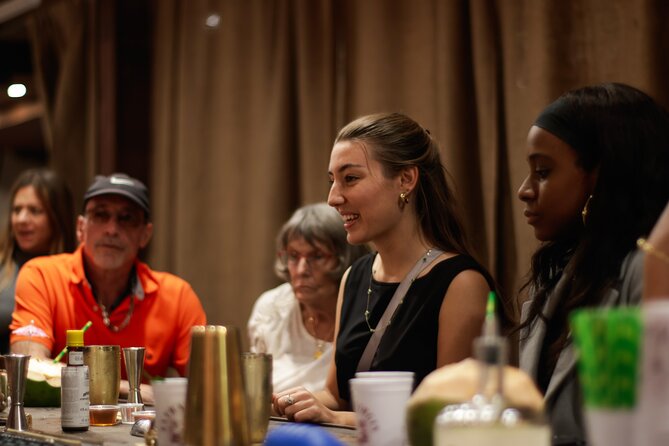
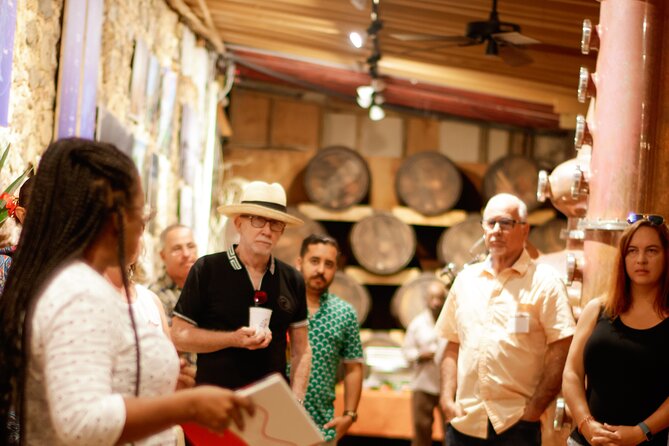
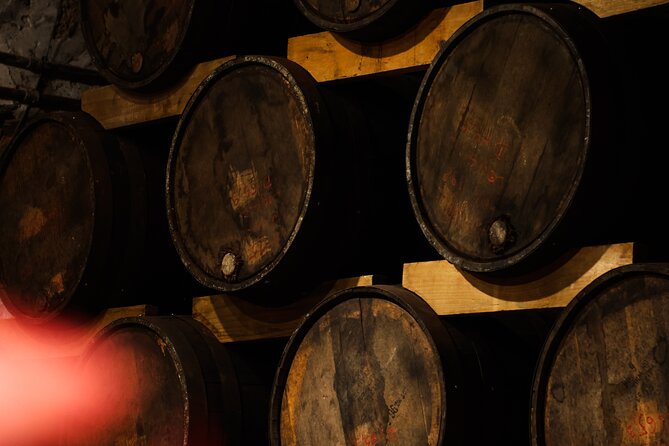
The most unusual part of this St. Thomas experience is the setting: you taste rum inside one of Charlotte Amalie’s last remaining 18th-century barrel houses. The small room links the drink in your glass to the port, sugar trade, and working history of the Virgin Islands.
I like the aroma station, which gives you a useful way to think about rum before tasting it. I also like the clear focus on sugarcane-based rum, rather than a generic flight of Caribbean spirits.
The main drawback is finding the entrance. It is tucked behind Cardow Jewelers, and one booking led to a very frustrating search when the operator could not be reached. Confirm your time and meeting point before setting out, especially if you are visiting Charlotte Amalie from a cruise ship.
Key points to know before you book
- The tasting takes place in a historic barrel house: You are not sitting in a standard bar or souvenir shop.
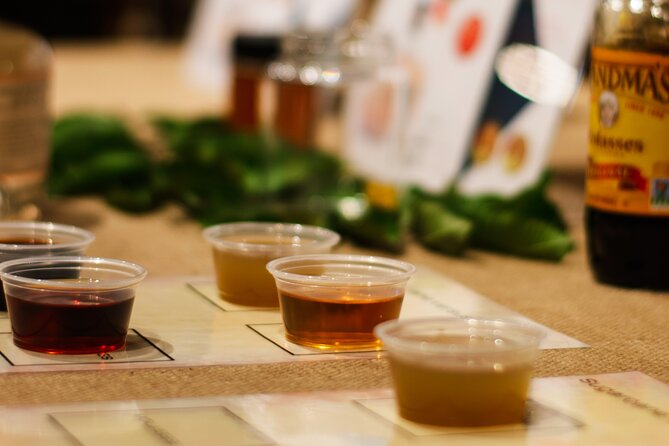
- You taste at least four rums: The included flight may contain four to seven rum samples, with water and plantain chips.
- The focus is sugarcane rum: You learn how fresh sugarcane juice differs from molasses-based rum.
- The aroma station adds useful context: You smell rum notes before judging the flavors in the glass.
- The visit lasts about 45 minutes: Wednesday through Friday appointments are offered from 1:00 to 3:30 p.m.
- The meeting point needs care: Start at Cardow Jewelers in downtown Charlotte Amalie, then look for the rum room behind the store.
Inside Charlotte Amalie’s old barrel house
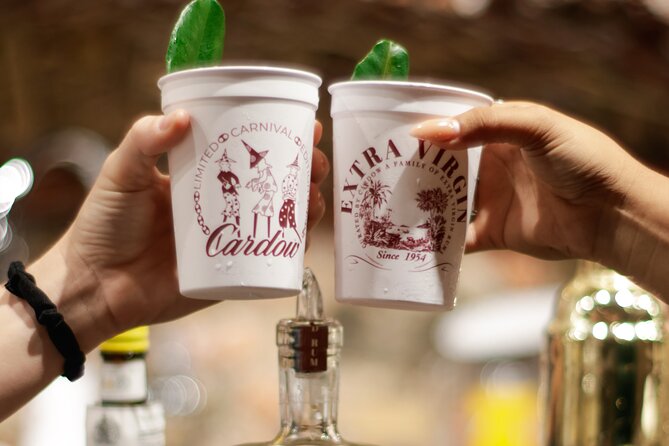
This tasting works because the room is part of the story. Charlotte Amalie was a major port in the Caribbean trade, and a barrel house is a fitting place to talk about spirits that once moved through the harbor in wooden casks.
You meet at Cardow Jewelers, 5195 Dronningens Gade, Suite 1, in downtown Charlotte Amalie. The rum room is described as being behind the jewelry store at 1 Main Street, so I would treat the meeting instructions as something to verify carefully rather than simply arriving and hoping the entrance is obvious.
Once inside, expect a compact, private activity for your own group. The experience ends where it begins, which makes the logistics simple after the tasting. You do not need to arrange a second pickup point or find your way to another part of town.
The historic room matters because it gives the tasting a sense of place. A flight of rum in an ordinary tasting room could happen almost anywhere. Here, the walls and former use of the building help connect the spirit with Charlotte Amalie’s port and commercial past.
That setting will appeal most to you if you enjoy old buildings, trade stories, and local context. If you want a large production tour with access to a working distillery, this is not that. The information provided describes a barrel house tasting and history experience, not a full factory visit.
More Rum Tastings in the world:
- Eastern Madeira: Full-Day Tour with Rum Tasting
★ 4.7 · 1,575 reviews - Rum Tasting Tour at Casa BACARDÍ in Puerto Rico
★ 4.5 · 1,095 reviews - Rum Tasting and Food Walking Tour in Nassau Bahamas
★ 5.0 · 1,030 reviews
Why sugarcane juice and molasses taste different
The central lesson is the difference between two broad rum styles. Molasses-based rum begins with a byproduct of sugar production. Sugarcane rum, often called agricole-style rum in the French Caribbean tradition, starts with fresh cane juice.
You will learn why that distinction matters in the glass. Sugarcane juice can bring a cleaner, fresher character, while molasses gives rum a different base shaped by the sugar-making process. The point is not that one style is always better. It is that the raw material changes the spirit’s flavor and identity.
This is a useful idea for anyone who usually orders rum without thinking about how it was made. After the tasting, you will have a simple question to ask: was this made from molasses or from fresh cane juice?
The experience also connects French Caribbean sugarcane rum with cognac barrel aging. That pairing gives the host a chance to explain how a rum’s origin and its time in wood both affect the final drink. The result is presented as smoother and cleaner, though your own palate will decide how much you notice.
I appreciate this structure because it gives the tasting a clear purpose. You are not simply moving from glass to glass. You are comparing ingredients, production traditions, and aging choices.
Starting with the rum aroma station
Before tasting, you visit an interactive aroma station. This is a smart first step because smell does much of the work in judging spirits.
You can explore the scents associated with Caribbean rum before taking a sip. The supplied details do not list every aroma or explain exactly how the station is arranged, so I would not expect a formal perfume-style lesson. Think of it as a guided way to pay attention to what your nose notices.
For beginners, this can make a rum flight less intimidating. Instead of asking whether you simply like a sample, you can consider whether it smells light, sweet, woody, grassy, or otherwise different from the next glass. Those comparisons help you understand the effect of sugarcane, molasses, and barrel aging.
For experienced rum drinkers, the station gives you a vocabulary for a short flight. You may already know what you enjoy, but the aroma work can sharpen your attention before the tasting begins.
Water is included, and plantain chips are provided as a simple snack. The water is important during any alcohol tasting, while the chips give you something savory between samples. This is not a meal, so plan to eat beforehand if you need lunch.
Tasting four to seven artisanal rums
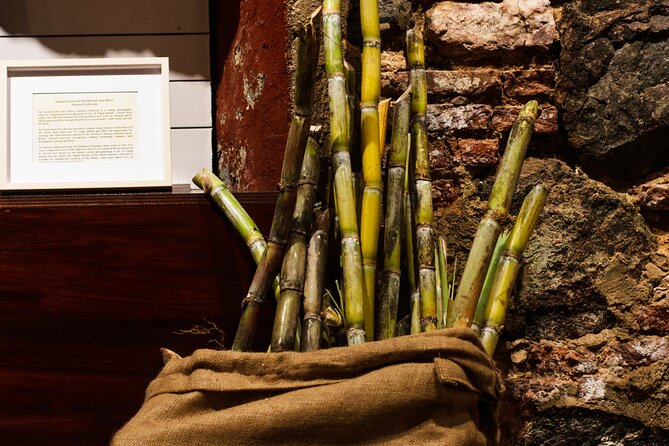
The main event is a guided flight of at least four artisanal sugarcane rums. The inclusions describe four to seven tastings, so the exact number may vary. You should expect a comparison rather than one large serving of a single spirit.
Each rum is meant to carry its own flavor story and origin. The tasting looks at terroir, craftsmanship, and island culture, but the most useful part for you is the side-by-side format. Sampling several spirits close together makes differences easier to catch than tasting one rum on its own.
Pay attention to how the samples change from one to the next. Notice which one seems smoother, which has a more pronounced cane character, and which shows more influence from the cognac barrel. You do not need to be a rum expert. The host’s job is to give you enough background to make those comparisons meaningful.
The phrase artisanal does not mean you should expect a huge range of brands or a full bar menu. The experience is built around a selected flight of sugarcane rums. If you want to taste every famous rum from the islands, this short format will feel limited. If you want a focused introduction, 45 minutes is a reasonable length.
The highly praised element is the quality and variety of the rums paired with the host’s presentation. One five-star assessment specifically praised the different flavors and the host, describing the experience as something worth doing again. That is a good sign for people who want a tasting with conversation, not just a tray of samples placed in front of them.
More Rum Tours in the world:
- Rio: Pub Crawl in Lapa with Cachaça Tasting and Live Samba
★ 4.7 · 881 reviews - Full-Day Tour: Concord Waterfall, Chocolate Factory, Rum Distillery, Grand Etang
★ 5.0 · 871 reviews - Topper’s Rhum Distillery Tour in St Maarten
★ 5.0 · 784 reviews - Bundaberg Rum Behind The Scenes Distillery Tour And Museum Experience
★ 5.0 · 724 reviews
A short lesson in Charlotte Amalie’s rum trade
The historical part gives the tasting more weight than a standard drinking stop. A local historian explains how sugarcane rum connects to the Virgin Islands and the broader colonial rum trade.
You will also hear about Charlotte Amalie as a port. This matters because rum was never only a beverage. Its production and movement were tied to sugar, shipping, labor, trade routes, and the growth of Caribbean towns.
The experience does not promise a long walking tour through the entire city. The historical material is folded into the barrel house visit, so you should expect a focused introduction rather than a full examination of Charlotte Amalie’s architecture or colonial sites.
That compact approach suits a port day. If you have only a few hours in town, you can learn something specific about the island without committing half a day to a larger tour. The timing also leaves room for shopping, lunch, or independent exploring before or after the appointment.
I would choose this activity over a generic rum bar stop if you want context. The drink is still the center of attention, but you get a clearer explanation of why rum matters in the West Indies and why sugarcane spirits deserve their own category.
The timing, cost, and group size
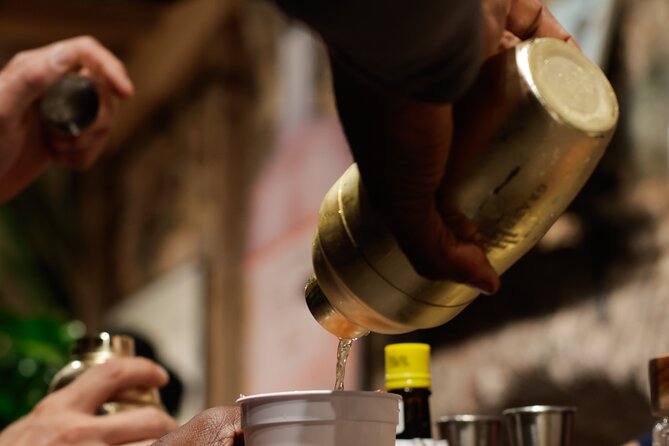
The price is $35 per person. For that amount, you receive a private 45-minute activity, at least four alcoholic rum tastings, water, plantain chips, the aroma station, and the historical presentation.
That is fair value if you are interested in both the education and the tasting. Four to seven samples alone may not justify the price for someone who only wants a quick drink. The old barrel house setting and the guided explanation are what make the cost more reasonable.
The private format is another advantage. Only your group participates, so you can ask questions without trying to speak over a large crowd. It also lets the host adjust the discussion to your interest in rum, history, or both, although the supplied details do not identify the host by name.
Appointments are offered Wednesday through Friday at 1:00, 2:00, and 3:00 p.m., with each booking window shown as a 30-minute start period. The activity itself lasts about 45 minutes, so allow enough time beyond the listed start window. This schedule is worth checking against your plans if you are in St. Thomas for one day only.
The experience has had more than 10 bookings in the most recent month and an overall rating of 4.6 from nine ratings. That is encouraging, but the small number of ratings means I would keep expectations practical rather than treating the score as a guarantee.
Finding the entrance without wasting an hour
The most important practical warning concerns communication and location. One very poor experience involved a customer who could not reach the operator before or on the day of the booking, could not confirm the time, and spent more than an hour searching for the location.
The operator’s response explained that the rum room is behind the jewelry store at 1 Main Street. The meeting details also identify Cardow Jewelers at 5195 Dronningens Gade, Suite 1, as the starting point. These details may describe the same downtown location, but you should confirm how the address is labeled on your mobile ticket.
I would take these steps:
- Save the booking confirmation and mobile ticket before leaving your hotel or ship.
- Confirm the appointment time in advance.
- Ask exactly where behind the jewelry store you should enter.
- Arrive early enough to locate Cardow Jewelers without rushing.
- Keep the operator’s contact information available in case the entrance is not clear.
This is especially important for cruise passengers. A missed appointment can be costly in time, and the schedule has only a few afternoon slots. The experience itself may be easy to reach once you know the precise door, but the hidden entrance deserves attention.
Who will enjoy this tasting most
I would recommend the experience to history lovers, rum enthusiasts, and curious first-time tasters. It also suits couples or small private groups who prefer a focused introduction instead of a large commercial tour.
You will get the most from it if you like asking why a drink tastes the way it does. The contrast between sugarcane juice and molasses, plus the discussion of cognac barrel aging, gives you several useful ideas to take home.
This is also a good fit for a short stay in Charlotte Amalie. The visit lasts about 45 minutes and ends at the starting point, so it can fit around other downtown plans.
I would be more cautious if you dislike alcohol, need a full meal, or want a long walking tour. The included plantain chips are only a snack, and the experience centers on tasting rum. Service animals are allowed, and the location is near public transportation, but the supplied information does not describe seating, stairs, or full mobility access.
You must be 21 or older to consume alcohol in the United States Virgin Islands, though the booking details provided here do not state an age policy. If your group includes anyone who will not drink, confirm how the operator handles non-drinking participants before booking.
Should you book the Old Barrel House tasting?
Book it if you want a short, private rum lesson in a genuinely historic setting. The best reasons are the barrel house, the aroma station, the comparison of sugarcane and molasses rums, and the chance to taste four to seven samples with local historical context.
Skip it if your priority is a large distillery tour, a full meal, or an easy-to-find meeting point with no need for advance confirmation. The location issue is real enough that I would not leave the details until the last minute.
At $35, the experience offers solid value for anyone who cares about how rum is made and why it belongs to Caribbean history. Confirm the entrance, arrive prepared, and you will be set up for a thoughtful taste of St. Thomas rather than just another souvenir drink.
FAQ
Where does the rum tasting begin?
The meeting point is Cardow Jewelers, 5195 Dronningens Gade, Suite 1, in Charlotte Amalie, St. Thomas. The rum room is described as being behind the jewelry store at 1 Main Street.
How long does the experience last?
The tasting lasts approximately 45 minutes.
How many rum samples are included?
The experience includes at least four rum tastings. The inclusions also state that the flight may contain four to seven samples.
What else is included besides rum?
Water and plantain chips are included. Tips are not included.
Which days and times is the experience offered?
It is offered Wednesday through Friday, with afternoon start times listed at 1:00, 2:00, and 3:00 p.m. The listed booking windows run from 1:00 to 3:30 p.m.
Is this a private activity?
Yes. Only your group participates in the activity, and it ends back at the meeting point.
Can I cancel for a full refund?
Yes, if you cancel at least 24 hours before the local start time. Cancellations made less than 24 hours in advance are not refunded, and weather or minimum-participant cancellations may result in a new date or full refund.
New on the rum trail in the world
- Appleton Estate Rum Tour and Tasting from Falmouth★ 4.5 · 2 reviews
- Kombucha Rum and Craft Beer Private Tour★ 3.5 · 6 reviews
- Rum & Chocolate Tasting Tour : Journey into Flavor★ 5.0 · 6 reviews
- Old San Juan Private Tour with Barrilito Rum Experience★ 5.0 · 4 reviews
- Discover Dominican Treasures: Rum, Cigars, Coffee & Chocolate★ 3.0 · 5 reviews
- Appleton Estate Rum Tour and Tasting from Runaway Bay★ 5.0 · 3 reviews
- Rum Tasting: History, Tradition, Burgers and Mojitos!★ 5.0 · 5 reviews
- Guided Shopping Tour – Rum tasting, chocolate factory, Cigar factory★ 4.5 · 6 reviews
Rum Tastings, compared.

Eastern Madeira: Full-Day Tour with Rum Tasting
Read our review →
Rum Tasting Tour at Casa BACARDÍ in Puerto Rico
Read our review →
Rum Tasting and Food Walking Tour in Nassau Bahamas
Read our review →
Pub Crawl in Lapa with Cachaça Tasting and Live Samba
Read our review →
101 Oliver Rum Tasting & Pairing And Taino Concept Store
Read our review →
Kō Hana Hawaiian Rum Distillery Tour and Tasting for One
Read our review →
Browse the lists this tour appears in