
REVIEW · RUM DISTILLERY TOURS
Bundaberg Rum Behind The Scenes Distillery Tour And Museum Experience
Bundaberg Rum’s working distillery gives you a look at the industrial side of rum making, from the Molasses Well to the tall fermenters and Barrel House. The guided walk lasts about an hour, then you finish with two tastings chosen at the bar.
I like the well-presented museum, which gives the Bundaberg story some useful context, and I like the guides’ easy Australian humor. Shazza, Gina, Amber, Deb, and others have earned praise for keeping the walk friendly and lively, even for people who do not usually drink rum.
The main drawback is simple: you see the outside of much of the equipment, not the rum being made inside it. You also cannot take photos on the tour, and there are some stairs to manage.
Key things to know before you go
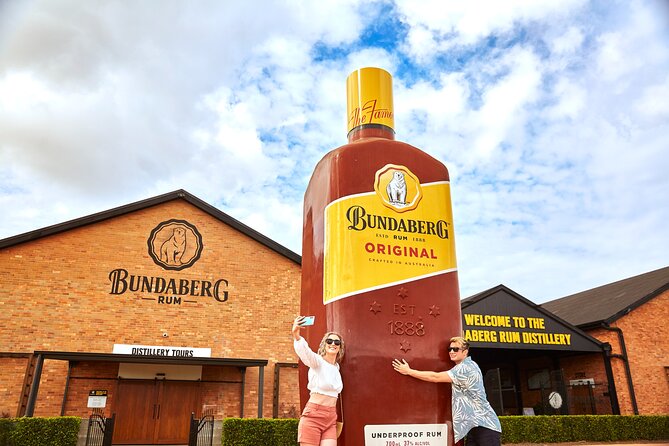
- The Molasses Well is the most hands-on-looking stop: You see the raw ingredient that begins the process.
- The guided tour takes about an hour: Add time for the self-guided museum and tasting bar.
- Two tastings are included: Salted caramel, banana toffee, top-shelf rums, and other choices may be available.
- The guides make the difference: Shazza, Gina, Amber, Deb, Taylor, and others use humor alongside the facts.
- Photos and battery-powered items are not allowed: Lockers are provided before you enter the working areas.
- The tour costs about $21.52 per person: That is fair if you value the museum, guide, and tastings, but less so if you expect to watch bottling or production in action.
Why Bundaberg Rum matters in Queensland
Bundaberg Rum has been produced in the Queensland town of Bundaberg since 1888. That long local connection helps explain why this is more than a quick tasting stop. The brand is tied closely to the town, the sugar industry, and the image of an Australian-made spirit.
You do not need to be a rum drinker to get something from the visit. The tour explains how sugar cane by-products become molasses, how fermentation fits into the process, and how different blends and flavored products are developed. It is also a useful stop if you want to understand one of the region’s best-known industries rather than simply buy a bottle.
I would set aside at least 90 minutes, and closer to two hours if you take your time in the museum and shop. The advertised duration can range from one to four hours, but the guided section is generally about an hour. The rest depends on how closely you read the displays and how long you spend at the tasting bar.
More Rum Distillery Tours in the world:
- Full-Day Tour: Concord Waterfall, Chocolate Factory, Rum Distillery, Grand Etang
★ 5.0 · 871 reviews - Topper’s Rhum Distillery Tour in St Maarten
★ 5.0 · 784 reviews - Mount Gay Signature Rum Tasting Experience
★ 5.0 · 640 reviews
Start with the museum, not the tasting
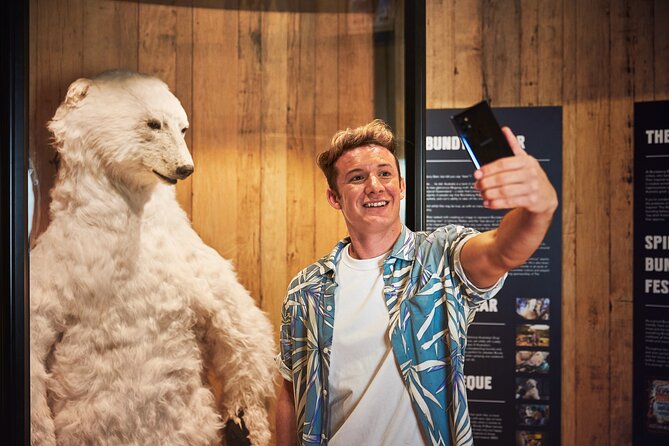
The self-guided Bundaberg Rum Museum gives you the background before the working-distillery walk begins. Its displays cover the company’s development, products, and place in local life, with photographs and written material that help put the factory floor into context.
I like this order. Without the museum, tanks and pipes can look like a row of anonymous metal objects. After you have seen the company’s story and product range, the equipment makes more sense. You begin to understand that the familiar Bundy bottles are the end result of a long process involving raw materials, fermentation, blending, aging, and packaging.
The museum is also a good reason for non-drinkers to come along. It presents the brand as a local business and manufacturing story, not only as a place to sample alcohol. You can move at your own pace here, which makes it a useful contrast to the guided walk.
The displays are well documented, with articles and photographs that reward a little reading. If you are visiting with family members or friends who are less interested in rum itself, give them time here before deciding if the guided tour is for them.
Enter the working distillery with an easygoing guide
After the museum, you join a guide for a walk through the fully operating Bundaberg Rum Distillery. The guides bring plenty of personality. Names associated with the tours include Shazza, Gina, Amber, Deb, Taylor, Sandy, Ronnie, Bobby, Jayden, and others, though the person leading your session will depend on the departure time.
The tone is casual and distinctly Australian. Expect plenty of dad jokes. Some people enjoy the humor, and it often helps keep the group engaged during technical explanations. If you prefer a serious industrial tour, the jokes may feel overdone at times. A few visitors have also found some guides hard to hear, so stand close to the guide if you can.
The strongest guides combine the comedy with clear information. They explain what you are seeing, answer questions, and keep the group together as you move through the site. Shazza, Gina, Amber, and Deb are often singled out for being friendly and entertaining, while Taylor is praised for holding the group’s attention and explaining the process clearly.
The walk is not difficult, but it is not completely flat and effortless. You should expect some stairs. Most people can take part, and service animals are allowed. If you have limited mobility, it is sensible to ask the operator about the route before booking, since the supplied information does not describe an alternative path.
The Molasses Well explains where rum begins

The Molasses Well is one of the most useful stops because it gives you a direct look at the raw material. Molasses is a thick sugar-making by-product, and it forms the base of the distillery’s rum production.
This is one of the few points where you see the product in a clearly recognizable form. The rest of the tour takes place around tanks, fermenters, and other machinery. You will hear how the stages work, but you will not watch every step through a glass panel.
That distinction matters. The tour is behind the scenes in the sense that you enter a working distillery and see its production areas. It is not a close-up demonstration in which every liquid is visible and each stage is performed for the group.
If you are curious about food and drink production, the Molasses Well gives the process a firm starting point. It also helps explain the connection between rum and Queensland’s sugar industry. You get a better sense of why Bundaberg was a natural place for this business to grow.
More Museums in the world:
- Banana Museum, Rum Distillery & Winery with Tasting: Premium tour
★ 4.5 · 62 reviews - Banana Museum, Rum Distillery & Winery guided tour with tasting
★ 5.0 · 12 reviews - North Day Tour, Botanical Garden, Sugar Museum, Rum Tasting
★ 5.0 · 3 reviews
What you see around the tanks and fermenters
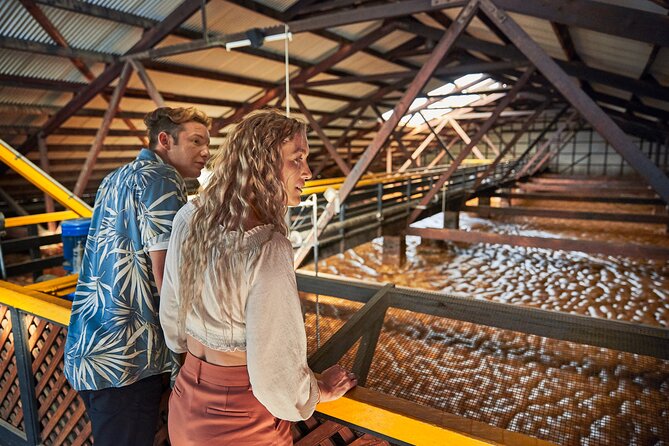
The route takes you past the large tanks and fermenters used in rum production. You can see the equipment from the outside and hear how it fits into the process, but you generally cannot see inside the vessels or watch the liquid working within them.
This is where expectations matter most. I would describe the tour as an explanation of the distillery rather than a full production demonstration. You learn what happens, where it happens, and why the equipment is shaped and arranged as it is. You do not get a constantly changing show of rum being distilled in front of you.
You also do not see the bottling process. That omission may disappoint anyone hoping to follow the spirit from raw ingredient through to finished bottle. The tour makes more sense if your main goal is to understand the method and see the scale of the facility.
The industrial setting still has value. Large tanks and fermenters show you that this is a real production site, not a small visitor display built only for tourism. Just keep your expectations realistic: much of the visit involves looking at equipment while the guide explains what takes place inside.
The Barrel House and the wider product range
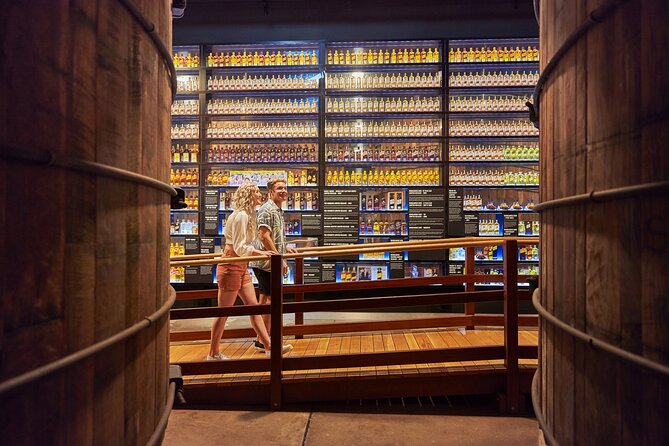
The Barrel House adds another part of the story. It helps connect the production process with the finished spirit and gives the guide a chance to discuss aging, blends, and the range of products sold under the Bundaberg name.
One useful surprise is the number of different products and flavor combinations associated with the company. The tasting selection may include options such as salted caramel and banana toffee, alongside more traditional rum choices. This makes the visit more approachable for someone who normally prefers wine or sweet liqueurs.
The product range also gives you a better reason to listen to the explanations about blending. Different products are not simply the same rum in different bottles. The guide can show how a company that began with a straightforward local strategy developed a broader range for different tastes.
The Barrel House is not a replacement for a full aging seminar. The supplied tour information does not promise detailed barrel-by-barrel comparisons or a technical spirits class. Still, it rounds out the walk and gives you another physical part of the site to see.
Two tastings finish the visit
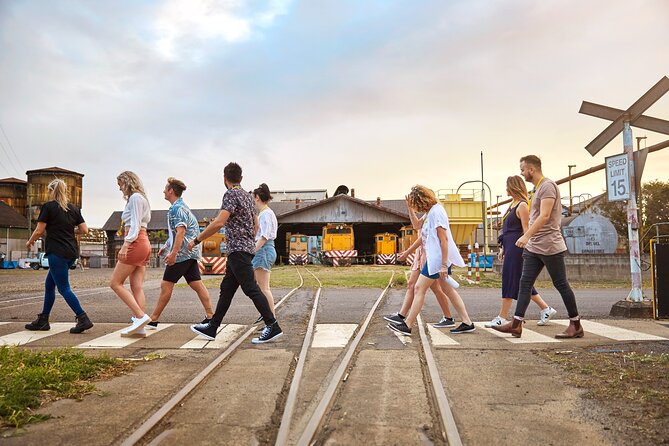
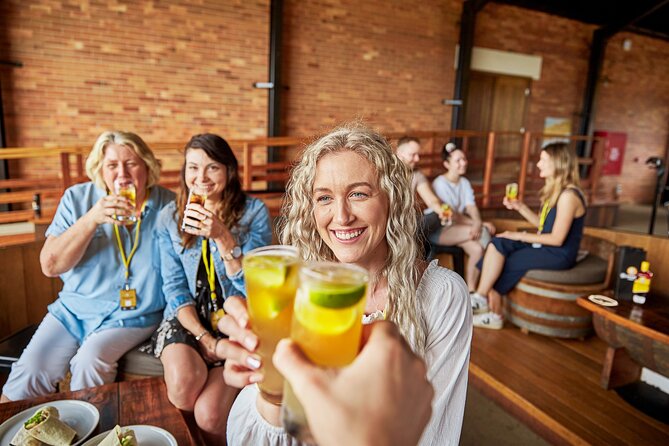
The tasting bar is the payoff for many people. Two drinks are included, and you can sample selected Bundaberg rums or liqueurs at the end of the guided walk. The exact choices can vary, but sweet options such as salted caramel and banana toffee are often popular.
I like that the tasting is not limited to committed rum drinkers. A first-time drinker can choose something gentler and use the final stop to work out what suits their taste. People who already know Bundaberg Rum can compare familiar products with less usual options.
The servings are described as generous, and the tasting is more than a token sip. Drink slowly, especially if you intend to drive afterward. The tour is an alcohol experience, so plan your transport with care even though the site is near public transportation.
The shop gives you a chance to buy bottles, multipacks, and souvenirs after the tasting. Some drinks are cheaper there than elsewhere, which can improve the value if you already planned to buy a bottle. I would wait until after the tasting before shopping. You will have a better idea of what you actually like.
The no-photo rule and other practical details
You cannot bring battery-powered items onto the tour, and photography is not allowed in the working areas. Lockers are provided, so you do not have to carry restricted items through the distillery.
This rule can feel strict, especially if you are used to recording every stop. It protects the working site and keeps the group moving, but it also means you should take mental notes instead of relying on photos. The museum provides the best opportunity to study the company’s story and displays.
Wear something suitable for an easy walking tour with stairs. The route is described as manageable for most people, but the distillery is an active industrial site rather than a polished gallery. Listen carefully to the guide’s instructions and stay with the group.
Several departure times are available, which helps if you are fitting the distillery around other Bundaberg plans. The site is near public transportation, and confirmation is provided when you book. Free cancellation is available if you cancel at least 24 hours before the start time. Within 24 hours, the payment is not refunded, and changes are not accepted.
Is $21.52 good value?
At about $21.52 per person, the price is reasonable for a museum, a guided walk, and two tastings. I see the best value if you spend time with all three parts rather than rushing through the museum and treating the tour as a quick drink stop.
The price feels stronger for people who enjoy local industry, company history, or food production. You get a look at a real distillery, an explanation of the rum-making process, and a chance to try products you might not otherwise order.
The value is less clear if you expect to see every stage of production in action. You will not watch the bottling line, and you will not see inside most tanks or fermenters. Much of the guided route involves viewing equipment from the outside while the guide explains the process.
The tasting bar and shop can also affect your total spend. The included drinks are part of the admission, but bottles and souvenirs cost extra. If you are likely to buy a product, the visit may feel better value. If you only want a short museum visit, the price may seem high.
Who should book this Bundaberg tour?
I would book it if you are already in Bundaberg and want a local experience with a clear connection to the town. It suits couples, groups of friends, and families with adults who can take part in alcohol tasting. It also works for a mixed group where one person loves rum and another simply enjoys manufacturing stories and museums.
You do not need to be a rum expert. The guides explain the basics, and the sweeter tasting choices can make the final stop friendly to newcomers. The humor keeps the tone light, though anyone who dislikes corny jokes may prefer to focus on the factual parts.
I would think twice if you want a highly technical distillery lesson, close views of liquid production, or access to bottling. This is a guided introduction to a working rum site, not a full engineering tour.
Should you book it?
Yes, if you want an entertaining look at Bundaberg’s best-known spirit, a well-presented museum, and two included tastings for about $21.52. The guides are the heart of the visit, and names such as Shazza, Gina, Amber, and Deb are associated with the warm, funny style that makes the hour pass quickly.
Book with realistic expectations. You will see the Molasses Well, tanks, fermenters, and Barrel House, but not every stage in operation. Leave your camera and battery-powered items in the provided locker, allow extra time for the museum, and choose the tour if you value local context more than a technical production demonstration.
FAQ
How long does the Bundaberg Rum tour take?
The full experience is listed as taking about one to four hours. The guided distillery walk is generally about one hour, with extra time needed for the self-guided museum and tasting bar.
What is included in the experience?
Admission includes the guided distillery tour, access to the self-guided Bundaberg Rum Museum, and two tastings at the bar.
Can I taste different types of Bundaberg Rum?
Yes. You can sample a selection of Bundaberg rums and may find choices such as salted caramel and banana toffee among the available products.
Can I take photos during the tour?
No. Photos are not allowed on the tour, and items with batteries are not permitted. Lockers are provided for restricted belongings.
Are there stairs on the distillery tour?
Yes. The route includes some stairs.
Can non-rum drinkers enjoy the tour?
Yes. The tour explains the production process and company story, and the museum provides useful context beyond drinking rum.
Is public transportation available nearby?
Yes. The distillery is near public transportation.
Are service animals allowed?
Yes. Service animals are allowed.
What is the cancellation policy?
You can cancel at least 24 hours before the experience for a full refund. Cancellations or changes made within 24 hours are not accepted, and the payment is not refunded.
New on the rum trail in the world
- Appleton Estate Rum Tour and Tasting from Falmouth★ 4.5 · 2 reviews
- Kombucha Rum and Craft Beer Private Tour★ 3.5 · 6 reviews
- Rum & Chocolate Tasting Tour : Journey into Flavor★ 5.0 · 6 reviews
- Appleton Estate Rum Tour and Tasting from Runaway Bay★ 5.0 · 3 reviews
- Old San Juan Private Tour with Barrilito Rum Experience★ 5.0 · 4 reviews
- Discover Dominican Treasures: Rum, Cigars, Coffee & Chocolate★ 3.0 · 5 reviews
- Rum Tasting: History, Tradition, Burgers and Mojitos!★ 5.0 · 5 reviews
- Guided Shopping Tour – Rum tasting, chocolate factory, Cigar factory★ 4.5 · 6 reviews
Rum Distillery Tours, compared.

Full-Day Tour: Concord Waterfall, Chocolate Factory, Rum Distillery, Grand Etang
Read our review →
Jungle Waterfalls and Cachaça Distillery Jeep Tour
Read our review →
St. Nicholas Abbey Heritage Great House and Rum Distillery Tour
Read our review →
Kō Hana Hawaiian Rum Distillery Tour and Tasting for One
Read our review →
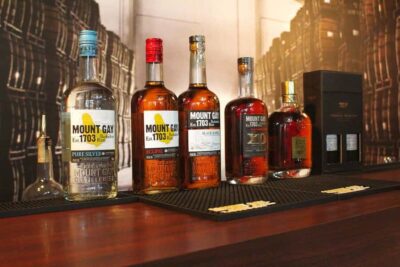
Rum Distillery Tour and Mount Gay Visitor Center
Read our review →Browse the lists this tour appears in