
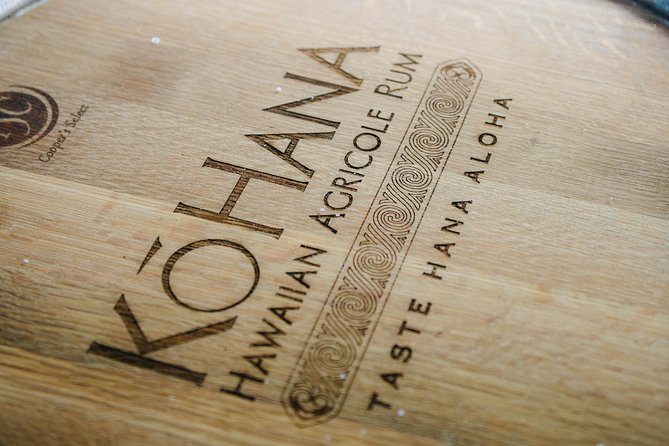
REVIEW · RUM DISTILLERY TOURS
Kō Hana Hawaiian Rum Distillery Tour and Tasting for One
At Kō Hana Distillers, the rum starts in the field, not in a bottle. You taste fresh-pressed sugar cane juice, walk among Hawaiian cane varieties, smell the oak barrels, and finish with a flight of spirits. The farm-to-glass story gives this short tour more substance than a standard bar tasting.
I like two things right away: the small group of no more than 15 keeps the guide close, and the $25 price includes the tasting, snacks such as barrel-aged honey and rum cake, and a souvenir glass. The main drawback is distance. Kunia is a trek from Waikīkī, so this works best as part of a west or central Oahu day rather than a quick add-on from the beach.
Key points to know before you go
- Fresh cane juice starts the tour: You taste the raw ingredient before learning how it becomes rum.
- Four rum styles offer a useful comparison: White, aged, koa-cask, and cask-strength pours show how wood and proof change the spirit.
- The tasting can be strong: Cocktail-style options are available if straight rum is too much.
- The tour lasts about 45 to 60 minutes: Plan closer to 1 to 1.5 hours if you browse the shop and buy bottles.
- The location pairs well with other stops: Kunia is near the former Del Monte Pineapple Plantation and about 10 minutes from Dole Plantation by car, according to one recent visit.
- You receive a take-home glass: It is a practical souvenir, not just another logo item.
A sugar cane story in historic Kunia
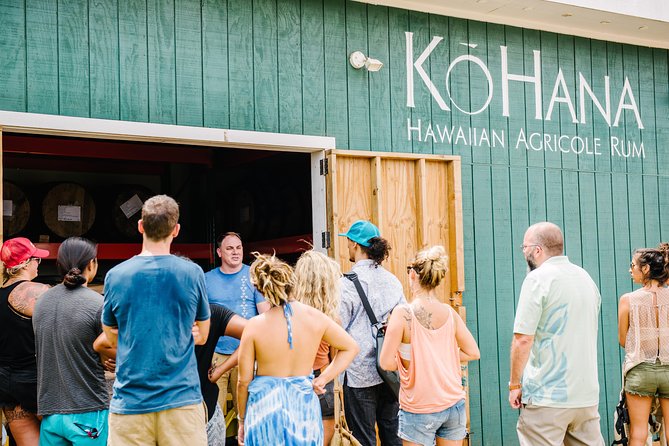
Kō Hana Distillers occupies a renovated general store connected with the retired Del Monte Pineapple Plantation in historic Kunia. That setting matters. You are not simply sitting at a tasting counter while someone pours rum. The tour connects the drink to Oahu agriculture and to the crops that shaped this part of the island.
The visit begins with a local guide and a glass of freshly pressed cane juice. It is sweet, grassy, and far less polished than the finished spirit. That first sip helps you understand what makes Hawaiian agricole rum different from rum made from molasses.
The cane itself is a central part of the visit. You walk through a garden containing native Hawaiian sugar cane varieties and learn about their role on the islands. Several people have singled out this section as a favorite because it reveals how many types of cane can be used and why the plant matters beyond its place in a cocktail.
I would pay attention here if you enjoy food or farming tours. The cane garden is not just scenery before the tasting. It explains the raw material and gives the distillery a clear sense of place.
More Rum Distillery Tours in the USA:
- Guided Distillery Tour & Rum Tasting
★ 5.0 · 87 reviews - New Orleans: Guided Rum Distillery Tour and Tasting
★ 4.8 · 44 reviews - San Juan: Bacardi Rum Distillery and Old San Juan Combo Tour
★ 4.5 · 27 reviews
From pressed cane to barrel-aged rum
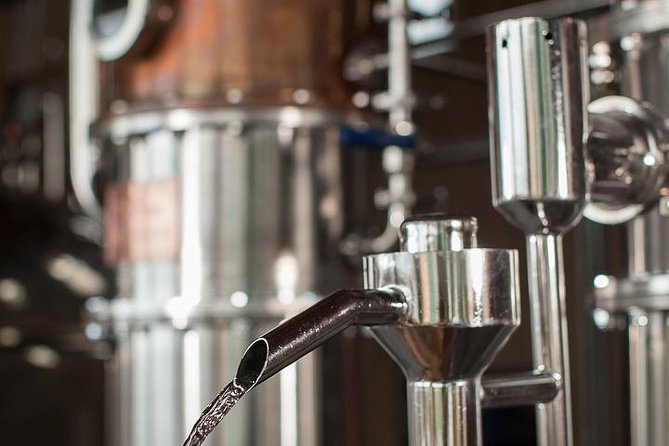
The tour then moves toward the production side. You see where rum is being made and walk through the barrel room, where the aroma of aging spirits becomes part of the experience. The barrel room is a highlight for anyone who likes the craft behind a bottle, though this is a compact tour rather than a long technical demonstration.
Your guide explains the basic process and the differences among the spirits. Guides named in recent experiences include JJ, Emily, Andy, Kaimana, Bernadette, Rohan, and Kaylee. The strongest part of the presentation depends on the person leading it, but the consistent theme is a friendly, informal explanation rather than a dry lecture.
JJ has been especially effective at explaining both sugar cane and the rum-making process. Emily is described as funny and engaging, while Andy brings humor to the tasting. Kaimana has also been praised for explaining the different cane stalks and looking after the group. If your guide is energetic, the short format moves quickly and leaves room for questions.
The tour does not promise a full industrial production walkthrough. You should expect a guided look at the farm, barrels, and distillery areas, not a large factory visit with every machine explained in detail. One visitor wanted more time devoted to the cane itself, so keep that in mind if your main interest is botany or plantation agriculture.
Four pours, several different personalities
The main tasting presents four different rum styles. The exact selection or tasting format may vary, but the listed spirits show the range you are likely to encounter.
Kea is the white rum, made from freshly pressed heirloom Hawaiian sugar cane and bottled at 80 proof. It is the clearest expression of the cane, with no long barrel-aging period to soften or reshape it.
Koho is an aged rum, rested in oak barrels and bottled at 90 proof. Compared with Kea, it should feel rounder and more settled, with the wood adding another layer to the cane spirit.
Koa is the distillery select, aged in locally crafted Hawaiian koa wood casks. At 100 proof, it brings both stronger alcohol and a distinctly local wood choice into the discussion.
Kila is cask strength, with proof varying from 110 to 125. This is the boldest pour on the menu and the one most likely to catch you by surprise. Sip it slowly. The handwritten proof on each bottle reinforces that this is a strong, less standardized style.
The menu also includes Kokoleka, a 60-proof chocolate spirit made with raw honey, cacao, and Hawaiian cane spirit. Ready-to-drink options come in flavors including classic lime, lilikoi, pineapple, grapefruit, Mai Tai, and Blue Hawaiian. These cocktail choices are useful if you prefer mixed drinks or find neat rum too forceful.
The tasting is not a race. The higher-proof pours can be intense, and one person found the cocktail rums easier on the palate. I would treat the tasting as a comparison exercise, not a chance to finish every sample quickly. Ask the guide how each spirit differs, and take advantage of the water and snack samples at the bar.
Barrel-aged honey, rum cake, and hot sauce
The extra samples make the $25 fee easier to justify. Alongside the rum, you can try barrel-aged honey, rum cake, and barrel-aged hot sauce. These products show how the distillery uses its barrels and spirits in ways that do not depend on drinking straight rum.
The honey has received especially warm attention. It is sweet, rounded, and easy to bring home in a way that a bottle of high-proof rum may not be. The rum cake adds a softer, dessert-like option, while the hot sauce gives the tasting a savory edge.
The snacks also help reset your palate. This is important because the core spirits range from 80 proof to well above 100 proof. If you are not used to strong liquor, focus on the lower-proof or cocktail options and enjoy the food samples instead of forcing yourself through every powerful pour.
More Rum Tastings in the USA:
- Little Havana: Cigar & Rum Tasting Experience
★ 5.0 · 3 reviews - The Original Cigar and Rum Tasting Experience in Little Havana
★ 5.0 · 2 reviews - Eastern Madeira: Full-Day Tour with Rum Tasting
★ 4.7 · 1,575 reviews - Rum Tasting Tour at Casa BACARDÍ in Puerto Rico
★ 4.5 · 1,095 reviews
What the $25 price really buys you
At $25 per person, this is a fair value for a one-hour activity. You get a local guide, cane juice, a guided look at the farm and barrel room, a rum tasting, samples of barrel-aged products, and a souvenir glass. Many distillery tastings charge a similar amount for pours alone, so the added farm and production sections improve the package.
The glass is a nice touch. It is a small branded souvenir, but it is more useful than a generic trinket, and several people have enjoyed receiving it. The shop also sells bottles, cocktail products, honey, and other items. Some visitors buy rum to take home, and the staff can confirm shipping availability to your state.
You should budget more than $25 if you plan to buy bottles or food. Lunch is not included, but local smoked barbecue from This Lil Piggy is available for purchase Thursday through Sunday. The barbecue is next door, and one recent combination of rum tasting and smoked meat made a satisfying stop. Check the day if lunch matters to your plan.
Making the Kunia stop work in your day
The meeting point is Kō Hana Distillers, 92-1770 Kunia Road, number 227, in Kunia Camp. Transportation is not included, so you need to arrange your own way there. The site is near public transportation, but the information provided does not detail routes or travel times.
From Waikīkī, this is not a quick hop. I would not cross the island for only 45 minutes unless rum is a main interest. Instead, combine it with other central or west Oahu stops. Dole Plantation is about 10 minutes away by car, making the two locations a practical pairing if they fit your day.
The official activity takes about 45 to 60 minutes. In real use, allow around 1 to 1.5 hours if you want to browse the shop, ask questions, sample the extra products, or buy something to take home. The tour ends back at the distillery.
Booking ahead is wise because the tour is often reserved well in advance, with an average booking window of about 26 days. The group limit is 15 people, which helps keep the presentation personal. Children must be accompanied by an adult, and only people age 21 or older may drink.
Who will enjoy this most
This is a good fit for you if you like local food production, small distilleries, agricultural history, or tasting experiences with a clear Hawaiian connection. It also suits couples and friends looking for something different from beaches and viewpoints.
You do not need to be a rum expert. The guides explain the differences in plain terms, and the range from white rum to koa-aged and cask-strength pours gives beginners an easy way to compare. Cocktail options help if you prefer fruit flavors or a lower-proof drink.
Families can attend, but the tasting is designed for adults. A child may enjoy the garden and the setting, yet the core activity is still a spirits tour. One family found that a young child enjoyed the atmosphere and extras, but that should not be the main reason you choose this stop.
I would skip it if you dislike strong alcohol, have no interest in production methods, or are staying in Waikīkī without a car and do not want to spend much of the day reaching Kunia. The tour is short, but the location makes it a larger commitment than the clock suggests.
Practical details that affect the visit
The experience is offered in English and uses mobile tickets. Confirmation arrives when you book. Service animals are allowed, and participants should have a moderate level of physical fitness because the tour includes walking through the garden and distillery areas.
The activity requires good weather. If poor weather causes cancellation, you are offered another date or a full refund. You can cancel for a full refund up to 24 hours before the start time. Inside that 24-hour window, changes and refunds are not accepted.
The distillery has received a 4.9 rating from 238 ratings, with 97 percent recommending it. That high mark reflects the staff, the clear explanations, and the tasting more than any grand production spectacle. Go for the people, the cane, and the unusual spirits, not for a long museum-style tour.
Should you book Kō Hana Distillers?
Book it if you want a friendly, compact introduction to Hawaiian rum and you can fit Kunia into a wider Oahu route. The best reasons are the cane-to-glass story, the small group, and the generous tasting extras. The souvenir glass and $25 price make it an easy add-on for rum fans.
Think twice if you are based in Waikīkī, dislike high-proof spirits, or expect a large distillery with a long technical tour. For everyone else, this is a worthwhile hour, especially when paired with Dole Plantation or the nearby barbecue stop.
FAQ
How long does the Kō Hana rum tour last?
The guided experience lasts about 45 to 60 minutes. Allow up to 1.5 hours if you want time for the gift shop, additional samples, or bottle purchases.
What does the $25 price include?
The price includes a local guide, rum tasting, fresh cane juice, and samples of barrel-aged products such as honey, rum cake, and hot sauce. A souvenir glass is also included.
How many people are allowed on each tour?
The tour has a maximum of 15 participants.
What rums can I taste?
The listed spirits include Kea white rum, Koho aged rum, Koa rum aged in Hawaiian koa wood, and Kila cask-strength rum. Kokoleka chocolate rum and ready-to-drink cocktails are also available.
Is the tour suitable for children?
Children must be accompanied by an adult. Only people age 21 and older may drink alcohol.
Can I cancel the booking?
You can cancel up to 24 hours before the start time for a full refund. Cancellations or changes made less than 24 hours before the start time are not accepted.
New on the rum trail in the USA
- The Original Cigar and Rum Tasting Experience in Little Havana★ 5.0 · 2 reviews
- Marathon: Rhum Runner Aqua Park Adventure★ 4.5 · 2 reviews
- Little Havana: Cigar & Rum Tasting Experience★ 5.0 · 3 reviews
- Li’l Havana: Two Family Shops Tour with Rum, Coffee & Pastry★ 5.0 · 2 reviews
- Rum & Cigar Tour With An Expert In Little Havana★ 5.0 · 5 reviews
- Newport Scenic Sunset Cruise on Classic Boat Rum Runner II★ 4.5 · 13 reviews
- San Juan: Bacardi Rum Distillery and Old San Juan Combo Tour★ 4.5 · 27 reviews
- New Orleans: Guided Rum Distillery Tour and Tasting★ 4.8 · 44 reviews
Rum Distillery Tours, compared.

Full-Day Tour: Concord Waterfall, Chocolate Factory, Rum Distillery, Grand Etang
Read our review →

Bundaberg Rum Behind The Scenes Distillery Tour And Museum Experience
Read our review →
Jungle Waterfalls and Cachaça Distillery Jeep Tour
Read our review →
St. Nicholas Abbey Heritage Great House and Rum Distillery Tour
Read our review →
Rum Distillery Tour and Mount Gay Visitor Center
Read our review →Browse the lists this tour appears in