
REVIEW · RUM DISTILLERY TOURS
St. Nicholas Abbey Heritage Great House and Rum Distillery Tour
St. Nicholas Abbey gives you more than a look at an old plantation house. You get a working link to Barbados’ sugar past, from the 1658 Jacobean Great House to the c. 1890 steam mill and the small rum distillery where cane becomes a bottle. A 1930s film about plantation life adds an unusual glimpse into the estate’s past.
I like the freedom to set your own pace, and I like the mix of architecture, machinery, film, gardens, and rum. The setting is beautiful and the tour feels personal when a guide such as Simon or Meghan leads part of it. The main drawback is timing: the visit can take 45 minutes or up to 90 minutes, and the café, train ride, and distillery need extra planning if you are arriving by taxi.
Key points to know before you go
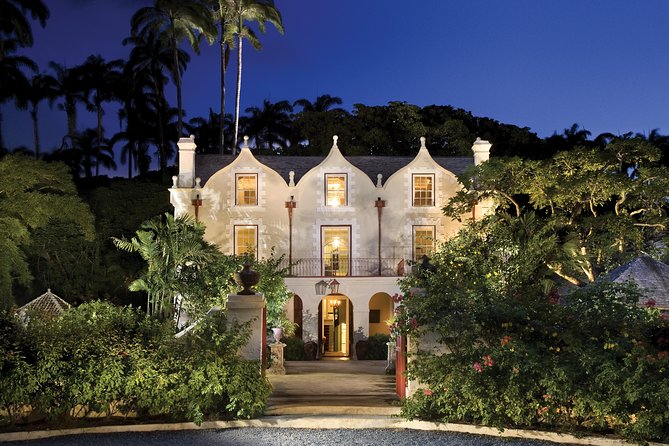
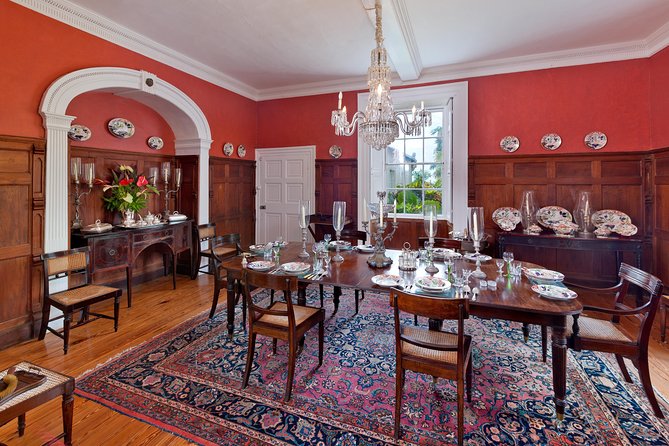
- The 1658 Jacobean house offers period rooms, family objects, china, and colonial-era displays.
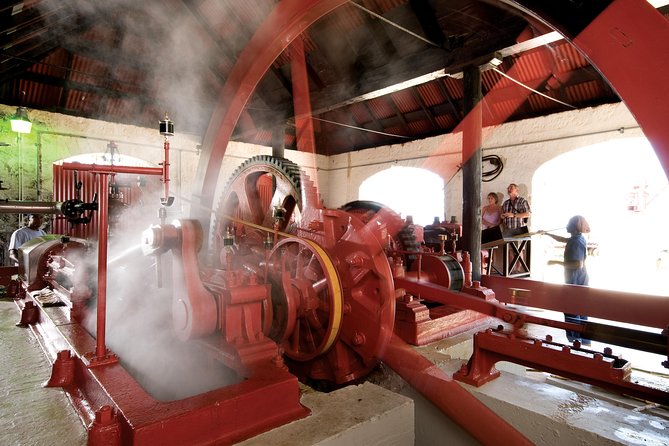
- A working c. 1890 steam mill shows how sugar cane was processed on the estate.
- The 1930s plantation film is a rare and memorable part of the visit, not a routine museum video.
- The rum tasting comes with a complimentary drink, though the tasting portions may be small.
- A self-paced format lets you spend more time in the gardens, quiet corners, or museum displays.
- Taxi users need a pickup plan, especially if they want to add the train ride or lunch at the terrace café.
Why St. Nicholas Abbey feels different from a standard house tour
Many historic-house visits end after you look at furniture and hear a few dates. St. Nicholas Abbey keeps going. You move from the Great House to plantation film, sugar processing, syrup making, and rum production. Each stop gives you another piece of the same story.
The estate presents Barbados through several eras. Displays cover Amerindian settlement and colonial times, while the house itself gives you a strong sense of the plantation period. The result is not just a pretty building with old china. You see how the property worked, how sugar shaped the island, and how rum became part of that trade.
The setting also gives the visit room to breathe. You can pause in the gardens or find a quiet place instead of being pushed from one display to the next. That matters on a warm Barbados day, particularly if you prefer a slower visit to a tightly timed group excursion.
The experience is listed as self-guided, but the house and production areas also include guided elements. The exact rhythm may depend on the day and the staff member leading your portion. When Simon hosts the rum tasting, his family connection to the owners and his easy humor add a personal touch. Meghan is another guide singled out for clear explanations of the house and estate.
More Rum Distillery Tours in Barbados:
- Mount Gay Signature Rum Tasting Experience
★ 5.0 · 640 reviews - Stade’s Rum Distillery Tour Experience
★ 5.0 · 109 reviews - Barbados: Rum Distillery Tour and Mount Gay Visitor Center
★ 4.7 · 97 reviews
Inside the 1658 Jacobean Great House
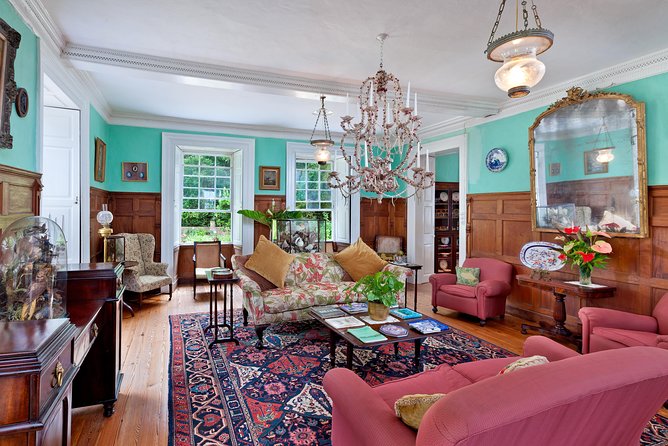
The Great House is the heart of the visit. Its 1658 date gives the building real weight, but the appeal comes from the details inside: furniture, household objects, china, and displays that help connect the house to life on a Barbados plantation.
You should not rush through these rooms. Look closely at the decorative objects, then consider who used them and how the house fitted into the wider sugar economy. The displays reach from Amerindian settlement through colonial times, so you are not seeing one narrow slice of the island’s past.
I especially like the chance to combine a guided explanation with time to look on your own. A guide can explain a room or object, but a self-paced visit lets you linger over the pieces that catch your eye. If you enjoy old houses, decorative arts, or local history, this section alone gives the admission a solid foundation.
The tour does not promise that every room will be open or that each display will receive a long explanation. Think of it as a compact house museum within a larger estate visit. The experience works best when you allow enough time to notice the china, furnishings, and small objects rather than treating the house as a quick photo stop.
The old film and the story it preserves
One of the most unusual parts of the visit is the film about plantation life. The material includes a rare 1930s movie connected with the plantation and Barbados. That gives you moving images from an era that is usually represented only by still photographs, documents, and objects.
The film can help you picture daily life on the estate in a way that a room display cannot. It also deserves a thoughtful eye. Plantation life involved a complicated and painful social system, and an old family or estate film naturally reflects the period in which it was made. I would treat it as a historical document, not as a complete account of Barbados’ past.
This is also a good reason to avoid hurrying. The house, film, and industrial displays work together. The film provides human context, while the machinery shows the practical work behind the plantation economy. Together, they make the visit more useful than a quick walk through an attractive old building.
From sugar cane to syrup at the steam mill
The c. 1890 working steam mill is one of the strongest parts of the experience. You can see the machinery tied to sugar production and learn how cane was crushed and processed. This gives the plantation story a physical side: heat, machinery, cane, syrup, and labor.
The syrup factory adds another step to the story. Rather than hearing only that sugar cane once drove Barbados, you see the equipment connected with turning the crop into a product. For many people, this will be the part that makes the estate feel active rather than frozen in the past.
If machinery interests you, allow more time here. The mill is not just background scenery, and the guided explanation can answer questions about how the process worked. The visit is still accessible if you know little about sugar production, since the sequence is easy to follow: cane is processed, syrup is made, and the distillery uses the results in rum production.
The industrial section may also be less polished than a modern museum exhibit. That is part of its appeal, but it means you should expect an operating heritage setting rather than a hands-on science center. Ask questions while the guide is present, since this is where details make the equipment easier to understand.
More History Tours in Barbados:
- Monkey Feeding & Historic Sugar Plantation & Rum Distillery
★ 4.7 · 31 reviews - Villainous History and Rum Tasting Tour in York Indoor Experience
★ 5.0 · 111 reviews - Paraty: Historic Centre Walking Tour & Cachaça Tasting
★ 4.8 · 96 reviews - Historical Tour with Cachaça Tasting – BY PARATY TOURS
★ 5.0 · 40 reviews
How the artisan distillery shapes the visit
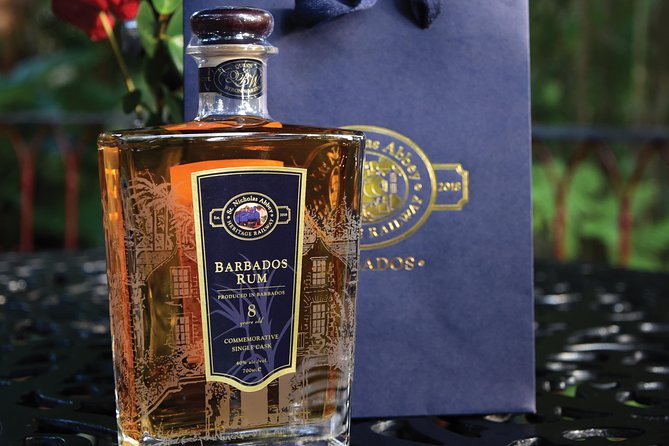
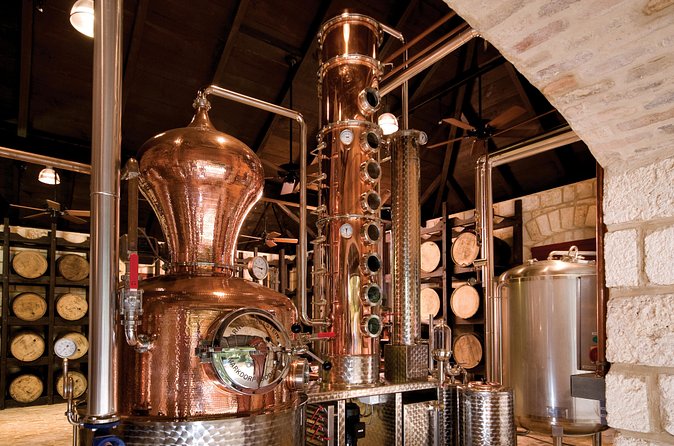
The distillery brings the estate’s past into the present. You can see how rum is made from cane to bottle, then finish with a tasting and a complimentary drink. It is a neat ending because you have already seen the crop and the mill before reaching the finished spirit.
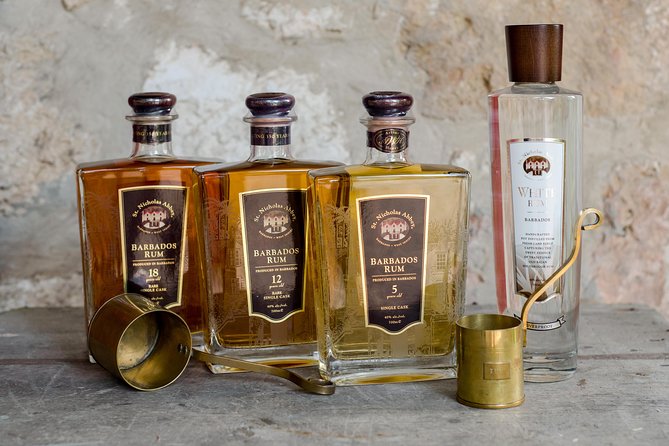
The tasting is an introduction, not a full bar session. One visitor found the sample very small, so do not book this expecting a large flight of rum. The value lies in the explanation, the setting, and the chance to compare the finished drink with the production story you have just heard.
Simon Warren has hosted tastings here, explaining aged rum with humor and a warm manner. That personal approach can make the final section feel less like a sales pitch and more like a conversation about the spirit. Still, the quality of the tasting may depend on who is leading it that day.
You also receive a complimentary drink. The available information does not specify the exact drink in every case, so check on arrival if you have a preference. The terrace café is another option for coffee, lunch, or a rum punch, but service may be slow at times. One person waited 20 minutes before leaving, so build in patience if you plan to eat here.
Gardens, views, and the quieter side of the estate
St. Nicholas Abbey is not only an indoor attraction. The property offers gardens, open views, and quiet spaces where you can pause after the house and production areas. I like this flexibility because you can shape the visit around your energy and interests.
If you have already spent the morning in busy Bridgetown or along the coast, the gardens give you a calmer change of pace. You can reflect on what you have seen, take in the setting, or simply sit with your complimentary drink. The estate’s beauty is part of the experience, but it works best alongside the history and working machinery.
The grounds also make the visit suitable for mixed groups. One person can spend longer with the house displays while another prefers the gardens or café. Families and multigenerational groups may appreciate that not every minute requires close attention to a guide.
Do not assume the gardens alone justify the full admission. At $45 per person, the better value comes from combining the house, film, mill, distillery, tasting, and grounds. If you only want a short look at the exterior, the price may feel high.
Timing, transport, and making the most of your visit
The stated duration ranges from 45 minutes to 1 hour 30 minutes. That is a wide spread, but it makes sense for a visit with both guided and self-paced sections. A fast visit can cover the main house, production area, and tasting. A slower one allows time for the film, gardens, café, and closer looks at the displays.
If you are driving yourself, this flexible timing is useful. If you are taking a taxi, plan more carefully. Tell the driver you may want enough time for the distillery and the train ride, and arrange a pickup that does not force you to leave early. The train is described as an added part of the day, but the supplied details do not clearly state that its ride is included in the $45 admission.
The same advice applies to lunch. The terrace café offers food, coffee, and drinks, and several parts of the experience can make you want to stay longer. Yet café service may take time, so do not schedule a tight appointment immediately afterward.
The maximum group size is 25 people, though the actual group may be smaller. A group of six, for example, can feel almost private, especially when the guide welcomes detailed questions. Smaller groups are a real advantage here because the house and rum presentation benefit from conversation.
Is $45 good value?
At $45, this is not the cheapest historic stop in Barbados. The price makes more sense when you count the separate elements: admission to the Great House, house museum displays, the old film, the steam mill, syrup factory, rum distillery, rum tasting, and complimentary drink.
You also pay for access to a property that is being restored and maintained as an ongoing family project. That does not guarantee that every part will feel polished or that the café will be quick, but it helps explain why the visit costs more than a simple walk through a garden.
The strongest value comes if you enjoy several subjects at once. You receive architecture, island history, plantation technology, rum, film, and outdoor space in one stop. If you care only about tasting rum, the sample may feel too small. If you want only a garden visit, the admission may also feel steep.
I would rate the price as fair for a visitor who stays long enough to use the whole experience. Allow at least an hour if possible, and longer if you want the film, café, gardens, or train ride. The more of the estate you see, the easier it is to justify the cost.
Who will enjoy St. Nicholas Abbey most?
I would recommend this experience to you if you like historic houses but want more than furniture and formal rooms. It suits anyone interested in Barbados’ sugar industry, rum production, old machinery, or plantation-era architecture.
It is also a good choice for people who dislike rigid group tours. You have room to set your own pace, and the visit can be quiet and reflective between guided sections. A smaller group makes it easier to ask questions when a guide such as Meghan or Simon is leading.
Families can find something for different interests, although the historic material may suit older children better than very young ones. The train, if you choose to add it, may provide extra appeal, while the café and gardens give non-history fans a place to relax.
The estate is also suitable for most people to participate, and service animals are allowed. The supplied information does not provide detailed mobility notes, so contact the provider directly if you need specific access guidance.
A practical booking decision
Book St. Nicholas Abbey if you want a substantial heritage visit with a strong sense of place. The combination of the Great House, rare film, working steam mill, rum production, tasting, and gardens gives you a fuller picture of Barbados than a house tour alone.
Skip it if you want a quick attraction, a large rum tasting, or guaranteed fast café service. The visit rewards patience, and the best version of the day requires careful transport planning.
The experience has free cancellation up to 24 hours before the start time. Changes or cancellations within 24 hours are not refunded, so keep that deadline in mind when arranging taxis and other island plans.
FAQ
How much does the St. Nicholas Abbey tour cost?
The experience costs $45 per person.
How long does the visit take?
The visit takes approximately 45 minutes to 1 hour 30 minutes, depending on how much time you spend with the house, film, grounds, café, and other parts of the estate.
What is included in the experience?
The visit includes admission to St. Nicholas Abbey, the Great House and museum displays, the plantation film, the syrup factory with its c. 1890 working steam mill, the rum distillery, rum tasting, and a complimentary drink.
Is the tour self-guided or guided?
The experience is described as self-guided, while the Great House and production areas also include guided tour elements. The exact format may vary during your visit.
Can I bring a service animal?
Yes. Service animals are allowed.
What happens if I cancel?
You can receive a full refund if you cancel at least 24 hours before the experience start time. Cancellations or changes made within 24 hours are not refunded or accepted.
New on the rum trail in Barbados
- Barbados: Speightstown, St. Nicholas Abbey & Rum Tour★ 4.2 · 5 reviews
- Bridgetown: Stade’s Rum Distillery Tour★ 4.7 · 11 reviews
- Monkey Zipline and Rum Tasting Tour at Harrison’s Cave by Chukka★ 5.0 · 14 reviews
- Private All Inclusive Rum Journey in Barbados★ 5.0 · 15 reviews
- Barbados Highlights and Rum Tour★ 4.5 · 17 reviews
- From Saint James/Christ Church: The Story Of Rum Tour★ 4.5 · 19 reviews
- Barbados: Trail, Tram & Rum Experience★ 3.7 · 22 reviews
- Monkey Feeding & Historic Sugar Plantation & Rum Distillery★ 4.7 · 31 reviews
Rum Distillery Tours, compared.

Full-Day Tour: Concord Waterfall, Chocolate Factory, Rum Distillery, Grand Etang
Read our review →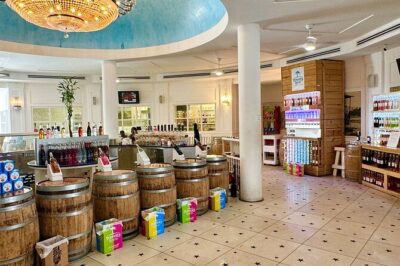

Bundaberg Rum Behind The Scenes Distillery Tour And Museum Experience
Read our review →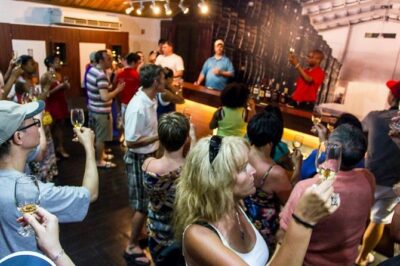
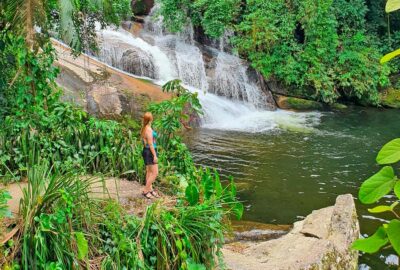
Jungle Waterfalls and Cachaça Distillery Jeep Tour
Read our review →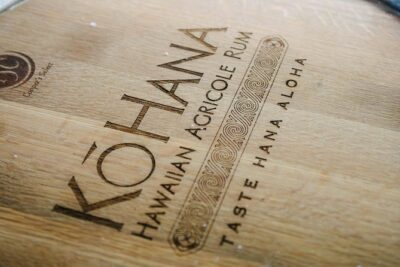
Kō Hana Hawaiian Rum Distillery Tour and Tasting for One
Read our review →
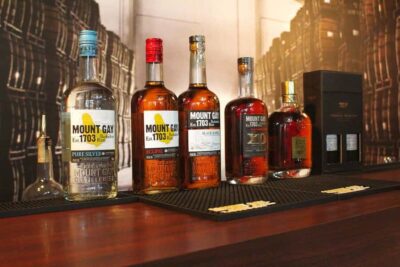
Rum Distillery Tour and Mount Gay Visitor Center
Read our review →Browse the lists this tour appears in