
REVIEW · MAURITIUS RUM TOURS
Tea, Rum & Vanilla Route
Mauritius is more than beaches and bright water. This seven-hour Tea, Rum and Vanilla Route links three working estates where colonial homes, tea production, vanilla growing, and rum-making still shape the island’s food culture. You move from an 1872 mansion to a tea factory, then on to a former sugar estate with a distillery and vanilla greenhouse.
I like two things in particular: the route gives you real context for familiar products, and the private format lets the day move at your pace. The tea tasting comes with broad southern views, while Saint Aubin brings several small attractions into one stop. The main caution is lunch and access: one booking encountered confusion at the entrances and was served at a different dining spot than expected, so confirm the meal plan before setting out.
Key points at a glance
- Three estates, three different stories: Aubineaux focuses on colonial life, Bois Chéri on tea, and Saint Aubin on sugar, rum, vanilla, gardens, and maritime displays.
- Tea production is shown from leaf to package: You visit the factory, museum, plantations, boutique, and tasting chalet.
- Saint Aubin packs in the variety: Expect rum and sugar cane juice tastings, a vanilla greenhouse, anthuriums, a spice garden, a mini farm, and a naval museum.
- The 1872 Aubineaux house is more than a photo stop: Furnishings linked to the East India Company period and vintage photographs give the visit a human scale.
- The price includes more than transport: At $151 per person, you receive private transportation, a live guide, guided visits, tastings, and lunch.
- Check the food and access details: The published plan includes lunch, but the exact restaurant and menu choice should be clear before you leave.
Why this route gives Mauritius more depth
A beach day shows you one side of Mauritius. This outing shows how the island’s plantations supplied daily life and shaped its economy. Tea, sugar cane, rum, and vanilla are not just items on a souvenir shelf here. Each one has a process, a place, and a long chain of work behind it.
I like the three-part design because no single stop has to carry the whole day. Aubineaux gives you architecture and family history. Bois Chéri explains a product you may already drink every morning. Saint Aubin brings together distilling, farming, plants, food, and maritime displays.
The day lasts about seven hours, including pickup and return. That is a substantial block of time, but the route covers three separate estates and includes several guided visits. You should treat it as a full cultural day rather than a quick outing between swims.
The experience is private, and pickup is available from accommodation reception areas around the island. Listed pickup and drop-off areas include Port Louis, Grand Baie, Trou d’Eau Douce, and Le Morne. Exact arrangements are sent with confirmation, so you should give yourself enough time at reception and keep the pickup message handy.
More Rum Tours in the world:
- Eastern Madeira: Full-Day Tour with Rum Tasting
★ 4.7 · 1,575 reviews - Rum Tasting Tour at Casa BACARDÍ in Puerto Rico
★ 4.5 · 1,095 reviews - Rum Tasting and Food Walking Tour in Nassau Bahamas
★ 5.0 · 1,030 reviews
Aubineaux begins with an 1872 colonial house
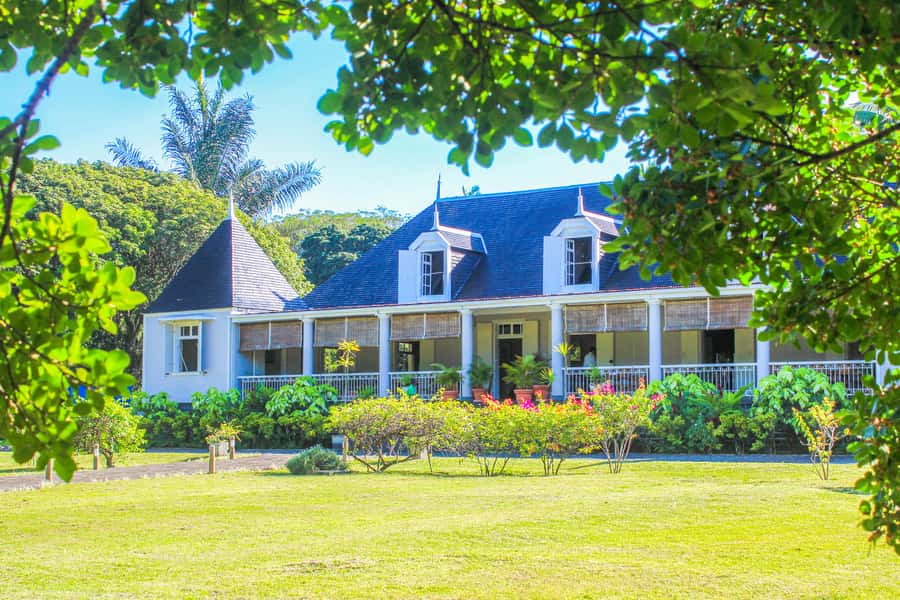
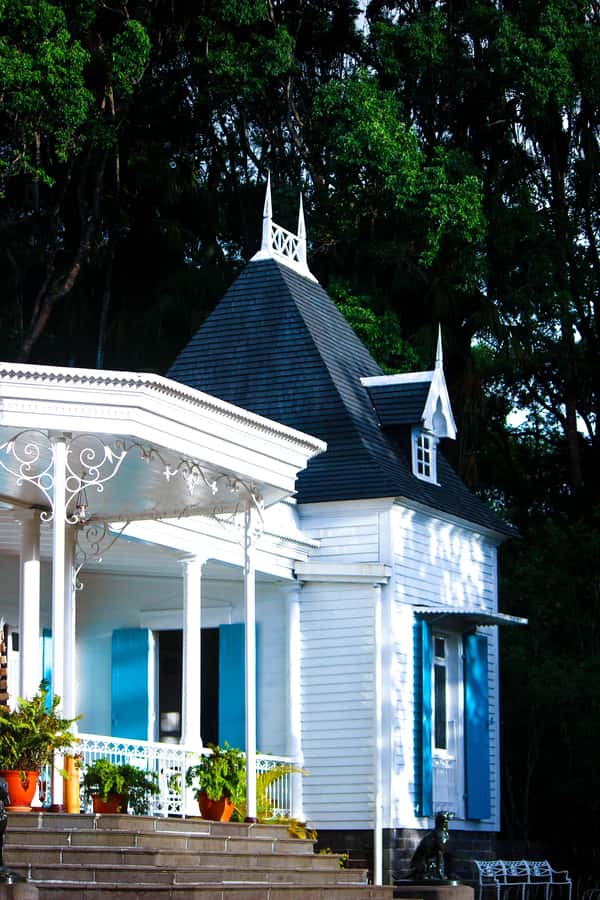
The first stop is Domaine des Aubineaux, a colonial mansion built in 1872. The guided visit lasts about an hour and a half, giving you time to look beyond the outside of the building.
The house contains furnishings dating to the East India Company period, along with vintage photographs showing the life of the owners. That combination matters. An old house can quickly become a parade of furniture, but the photographs help connect the rooms with the people who used them.
You also visit the gardens, La Peiniers of Domaine Aubineaux, the Maison des Essences, and the estate boutique. The Maison des Essences adds another sensory piece to the day, while the boutique gives you a chance to browse local products. Souvenirs are not included, so anything you buy here is an extra cost.
This is a good opening stop because it slows the pace before the factory visit. You begin with the island’s built heritage, then move into the production of tea and rum. I would pay attention to the guide’s explanation of the house rather than rushing toward the shop. The value here lies in seeing how the estate functioned and how its objects reflect the period.
The estate is not presented as a modern attraction with constant entertainment. It is a traditional property, and the appeal comes from the building, the gardens, the photographs, and the guide’s explanation. If historic homes leave you cold, this may feel like the quietest part of the route. If you enjoy architecture and domestic details, it gives the day a strong start.
Bois Chéri explains tea from leaf to bag
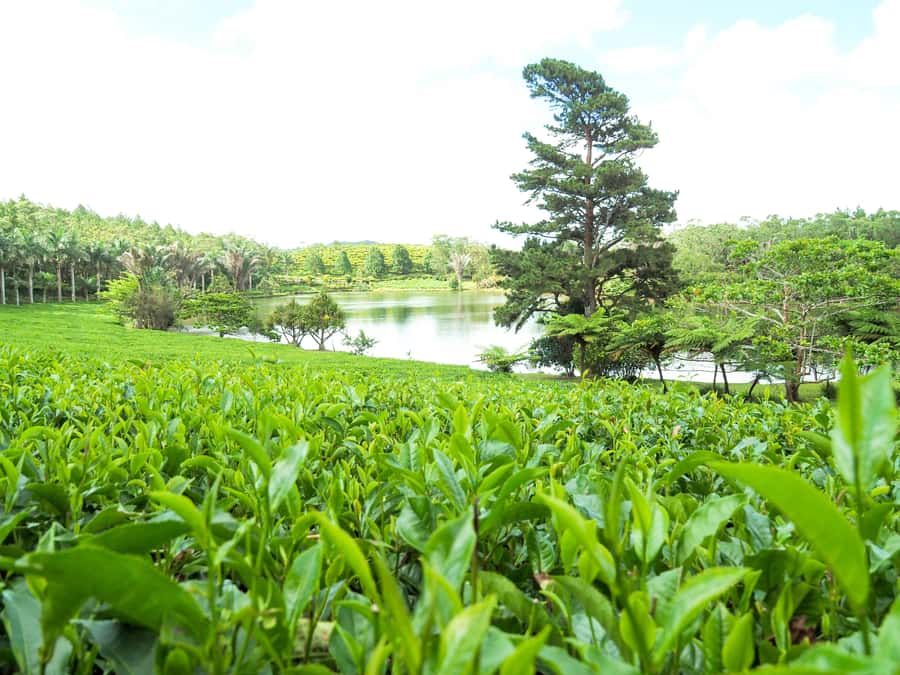
At Domaine de Bois Chéri, the focus shifts to tea. The visit includes the factory, a tea museum, the plantations, the boutique, and a tasting at a chalet. The guided portion is listed at about two hours, making this the longest stop of the day.
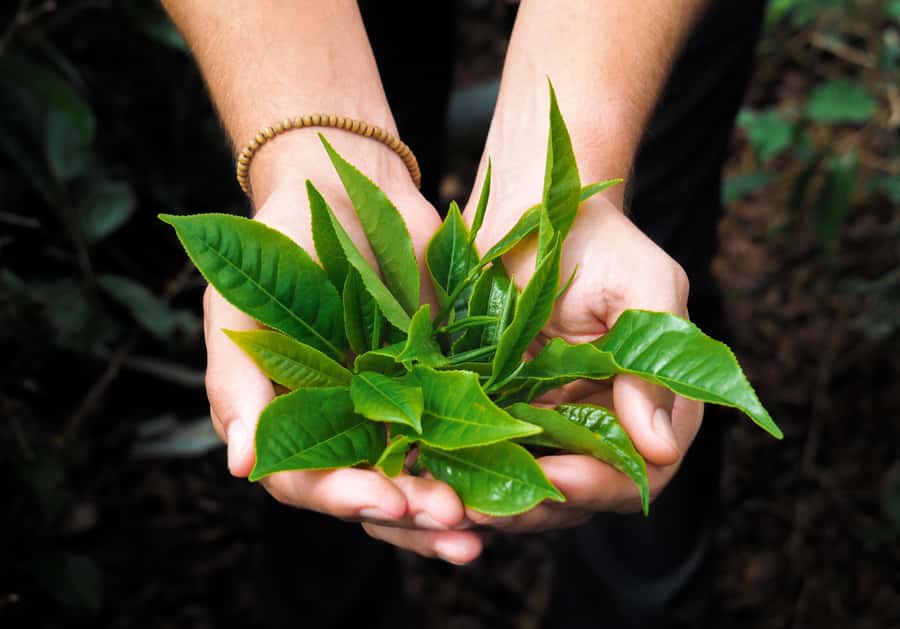
You learn how tea moves through the production process, from picking through processing and bagging. That sequence gives you something concrete to follow. Instead of simply tasting a cup, you see how the leaves are handled before they reach a packet or teapot.
The tea museum adds background, while the plantation visit places the product in its growing environment. The supplied details specifically include access to the tea plantations, but one booking reported missing that part of the visit. I would ask the guide to confirm the plantation walk or viewing point when you arrive, especially if tea growing is your main reason for booking.
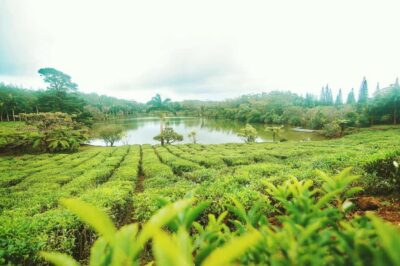
The tasting takes place at a chalet with wide views across the estate and southern Mauritius. This is likely to be one of the most relaxed moments of the route. You can compare the tea after seeing how it is made, and the setting gives you time to take in the scale of the property.
There is also a restaurant at Bois Chéri, where tea-based dishes are available. That does not automatically mean it is your lunch location, however. The lunch arrangement appears to allow a choice of domaine, but the exact dining stop should be confirmed in advance. One booking experienced confusion between the driver and the lunch venue, which led to an uncomfortable meal and less choice over the dishes.
That issue is practical rather than minor. Food is part of the experience, and a fixed meal at the wrong place can change the mood of an otherwise good day. Ask these questions before departure: Which estate will serve lunch? Is the meal a set menu? Can you choose between dishes? Is the tea restaurant part of your plan or simply an available option?
Saint Aubin brings rum, vanilla, and sugar together
Domaine de Saint Aubin is the final stop, lasting about an hour in the basic schedule. In practice, it contains so many separate features that you should listen carefully to the guide’s plan for the visit.
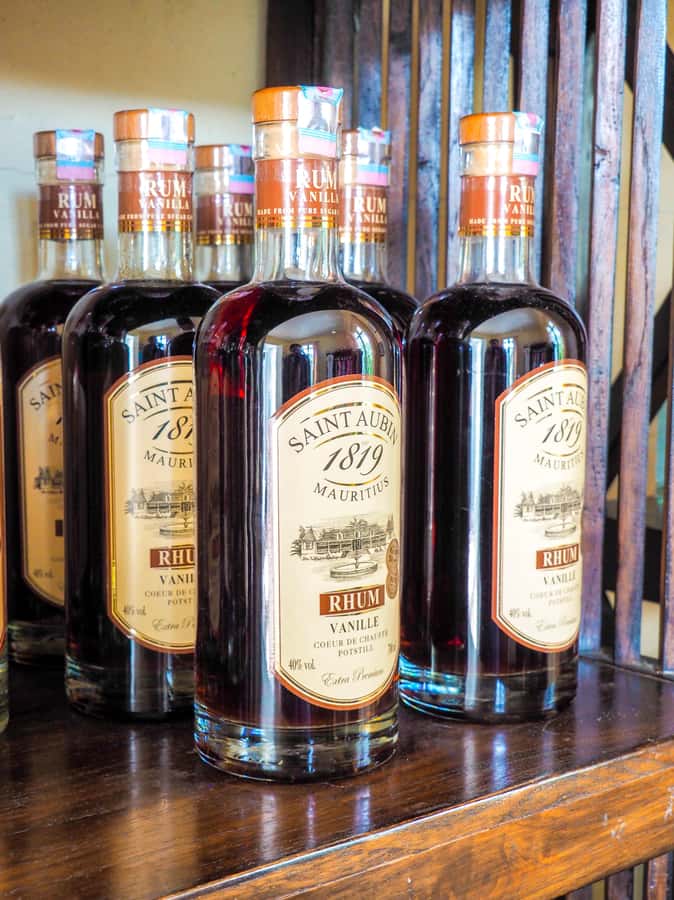
The estate includes an old sugar refinery that has been converted into a museum, an artisanal distillery, a vanilla greenhouse, an anthurium greenhouse, a botanical trail, a spice garden, a mini farm, and a kindergarten. There is also a colonial house built in 1819, now used as a restaurant, with a naval museum on the upper floor.
The house gives Saint Aubin a clear historical center. The naval museum adds an unexpected change of subject, with historical models on display. If you have already spent the day hearing about estates and production, these maritime displays provide a different way to think about Mauritius and its place in the Indian Ocean.
The distillery is the key stop for many people. You receive a guided explanation of the artisanal rum process, along with rum tasting. Sugar cane juice tasting is also included according to the harvest. That seasonal qualification matters: you should not assume the cane juice will always be available.
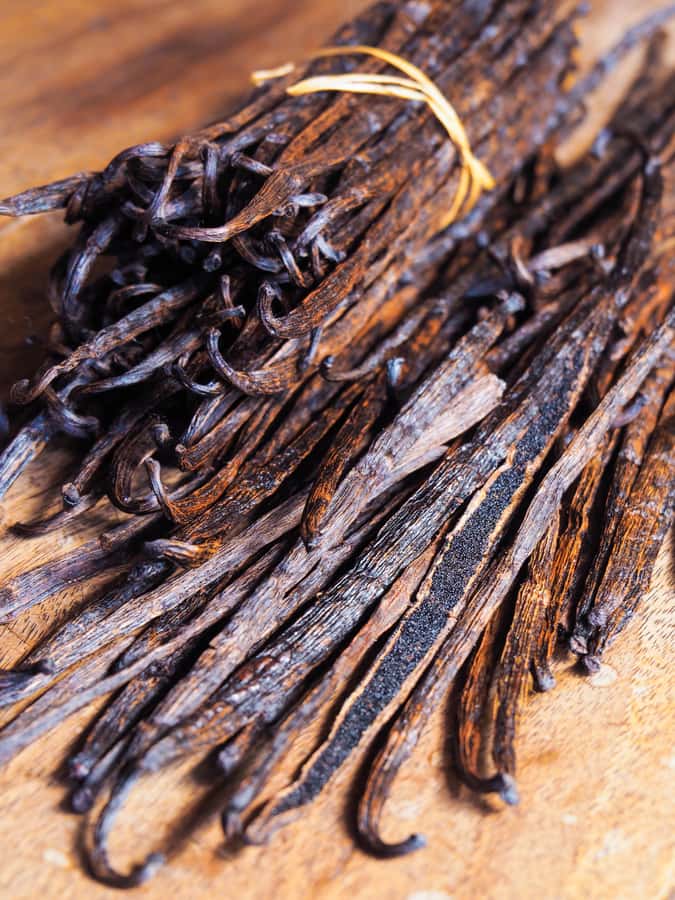
You also see the House of Rum and learn about the rum made at Saint Aubin, associated with the 1819 estate. The route explains rum production and essential oils, giving the final stop a practical, sensory finish. Vanilla is handled in a more agricultural way, through the greenhouse, vanilla house, and an explanatory film.
The anthuriums, spice garden, and botanical trail add color and plant variety without turning the visit into a formal garden tour. The mini farm gives families another point of interest. Still, the stop has a lot packed into it. If your visit feels rushed, ask which features are included that day and how much time is available for the rum tasting.
One booking reported not receiving the sugar cane juice tasting described in the plan. Because availability is linked to the harvest, this may depend on timing, but you should raise the question politely at the estate rather than assume every listed tasting is guaranteed.
Another estate, another pour:
- Rio: Pub Crawl in Lapa with Cachaça Tasting and Live Samba
★ 4.7 · 881 reviews - Full-Day Tour: Concord Waterfall, Chocolate Factory, Rum Distillery, Grand Etang
★ 5.0 · 871 reviews - Topper’s Rhum Distillery Tour in St Maarten
★ 5.0 · 784 reviews - Bundaberg Rum Behind The Scenes Distillery Tour And Museum Experience
★ 5.0 · 724 reviews
What the $151 price really covers
At $151 per person, this is not a cheap sightseeing transfer. It is also more than a simple house tour or factory visit. The price includes private transportation, a French- or English-speaking live guide, guided entry at all three domaines, tea tasting, rum tasting, possible sugar cane juice tasting according to harvest, access to the stated museums and gardens, and lunch at a domaine of choice.
That package can be good value if you want a single organized day and would otherwise pay separate entrance fees, hire a driver, and arrange meals. The private format is especially useful if you are staying outside the south and do not want to piece together transport between estates.
The value is weaker if you mainly want free time, independent food choices, or a long plantation walk. The schedule has several guided sections, and the route’s appeal depends on your interest in Mauritian culture, products, and historic properties.
You should also remember that souvenirs cost extra. The Aubineaux and Bois Chéri boutiques are included as places to visit, not as part of the paid package.
The food plan deserves a clear question
Lunch is included, which helps make the price easier to judge. But lunch at your domaine of choice can mean different things in practice. It may refer to a choice between approved estates rather than a free choice of restaurant and menu.
One booking reported a communication problem involving the driver and lunch location. The meal ended up at a different place, and the diners wanted more control over the dishes. That is a useful warning, not a reason to dismiss the entire experience.
Before the vehicle leaves, confirm the lunch venue, menu style, and whether you can choose a main course. If you have dietary needs, the supplied information does not specify arrangements, so ask the provider directly. A clear plan will prevent the meal from becoming the least enjoyable part of the day.
The route also includes several tastings. These are small portions designed to explain the products, not a full food tour. You will taste tea and rum, and you may taste sugar cane juice depending on the harvest. The Saint Aubin property can also serve as a restaurant stop, while Bois Chéri offers tea-based dishes.
Private transport makes the route easier, but timing matters
A private group means you are not sharing the day with a large coach party. That should make it easier to ask questions and manage the pace, though the exact balance depends on the guide and the time available at each estate.
Pickup is included from locations across Mauritius, with Port Louis, Grand Baie, Trou d’Eau Douce, and Le Morne listed as pickup and return areas. You wait at your accommodation reception. Exact details arrive with confirmation, so check the message carefully rather than relying on a general pickup time.
The route involves three estates and several indoor and outdoor areas. Wear practical clothing and shoes suitable for gardens, plantation areas, and estate paths. The experience is listed as wheelchair accessible, but because the estates include gardens, greenhouses, trails, and older buildings, you should confirm the specific access arrangements for your needs.
French and English are available. Since the day depends on explanations of production methods and local history, choose the language in which you can comfortably follow technical details.
Cancellation is flexible up to 24 hours before the start for a full refund, and you can reserve now and pay later. Those terms are useful if your Mauritius plans are still moving around.
What could go wrong, and how to prevent it
The most important practical concern is coordination. One booking required repeated explanations at each entrance because staff did not immediately accept the app voucher. The driver was described as kind, but the admission process was slow and frustrating.
Bring your booking confirmation and any voucher details in an easy-to-show form. If the staff needs to verify the reservation, allow extra time rather than assuming the group can walk straight in.
A second concern is that not every included feature was received on one visit. The tea plantation visit and sugar cane juice tasting were both missed, and lunch communication was poor. Some of this may depend on harvest conditions or local coordination, but you should ask about these elements at the start of the day.
The overall rating of 3.6 from five submitted ratings suggests a mixed experience rather than a sure bet. The strongest positive points are the product discoveries and the driver’s friendly sharing of Mauritian culture and history. The weak points are operational: access checks, food coordination, and differences between the promised plan and what actually happened.
Who will enjoy this day most
I would recommend this route to you if you want to understand how Mauritius produces and presents its local products. It suits people who enjoy historic houses, factory visits, tastings, gardens, and a guide who can connect separate stops into one story.
It is also a good fit for a first visit when you want more than coastal scenery but do not want to arrange several out-of-town visits yourself. Families may appreciate the mini farm and varied stops, while couples and food-focused visitors will likely enjoy the tea and rum tastings.
I would hesitate if you want a slow day with lots of unstructured time. The schedule is full, and the final estate has many possible features. I would also hesitate if complete control over lunch is important to you, unless the menu and venue are confirmed before pickup.
Should you book the Tea, Rum and Vanilla Route?
Book it if the idea of moving from a colonial mansion to a tea factory and then a rum and vanilla estate sounds more appealing than spending another day by the pool. The route offers genuine variety, and the best parts are specific: the 1872 Aubineaux house, tea production at Bois Chéri, the tasting chalet views, and Saint Aubin’s combination of rum, vanilla, sugar, gardens, and naval models.
At $151, it makes sense when you value private transport and several included visits in one day. Before paying, confirm the lunch venue, ask whether the plantation visit is planned, and check the day’s sugar cane juice availability. With those details settled, this is a useful cultural outing for anyone who wants to taste Mauritius and understand how those flavors are made.
FAQ
How long does the Tea, Rum and Vanilla Route last?
The experience lasts seven hours, including pickup, visits to the three domaines, and return transportation.
Where can pickup and drop-off take place?
Listed pickup and drop-off locations are Port Louis, Grand Baie, Trou d’Eau Douce, and Le Morne. Pickup is from your accommodation reception, with exact details sent in the booking confirmation.
What languages are available?
The live guide is available in French and English.
Is this a private tour?
Yes. The experience is arranged for a private group.
Is lunch included?
Yes. Lunch at a domaine of choice is included. Confirm the exact dining location and menu options before departure, since the meal arrangement has caused confusion on at least one booking.
What tastings are included?
Tea tasting at the Bois Chéri chalet and rum tasting at Saint Aubin are included. Sugar cane juice tasting is included according to the harvest.
New on the rum trail in the world
- Appleton Estate Rum Tour and Tasting from Falmouth★ 4.5 · 2 reviews
- Kombucha Rum and Craft Beer Private Tour★ 3.5 · 6 reviews
- Rum & Chocolate Tasting Tour : Journey into Flavor★ 5.0 · 6 reviews
- Appleton Estate Rum Tour and Tasting from Runaway Bay★ 5.0 · 3 reviews
- Old San Juan Private Tour with Barrilito Rum Experience★ 5.0 · 4 reviews
- Discover Dominican Treasures: Rum, Cigars, Coffee & Chocolate★ 3.0 · 5 reviews
- Rum Tasting: History, Tradition, Burgers and Mojitos!★ 5.0 · 5 reviews
- Guided Shopping Tour – Rum tasting, chocolate factory, Cigar factory★ 4.5 · 6 reviews
Mauritius Rum Tours, compared.

Tea, Rum and Vanilla Route with Lunch and Pickup
Read our review →
Explore the Southwest with Local Lunch & Rum Tasting
Read our review →
North Day Tour, Botanical Garden, Sugar Museum, Rum Tasting
Read our review →
local Market,Botanical garden,Rum tasting & authentic Lunch
Read our review →Browse the lists this tour appears in